
Why test the oven instead of trusting the dial?
The number on the display is the temperature the control board is aiming for, read from a single sensor, not what the cake sees. Ovens also cycle: the element or burner turns off at the set point and on again once the cavity has cooled a few degrees, so the air swings above and below the number all the time. A thermometer shows both the average and the swing.
A test is worth doing before the busy baking weeks, because an oven that runs cool or hot is easy to compensate for once you know by how much. Without the number you are guessing, and guesses ruin shortbread.
What do you need and where does it go?
You need an oven-safe dial or probe thermometer, one that reads up to at least 500°F, and a pen. A second thermometer is a useful check, because a single cheap one can itself be off by several degrees.
Gather these before you start:
- An oven-safe thermometer that reads to at least 500°F.
- A pen and paper beside the oven.
- A timer set for 5-minute intervals.
On the center rack
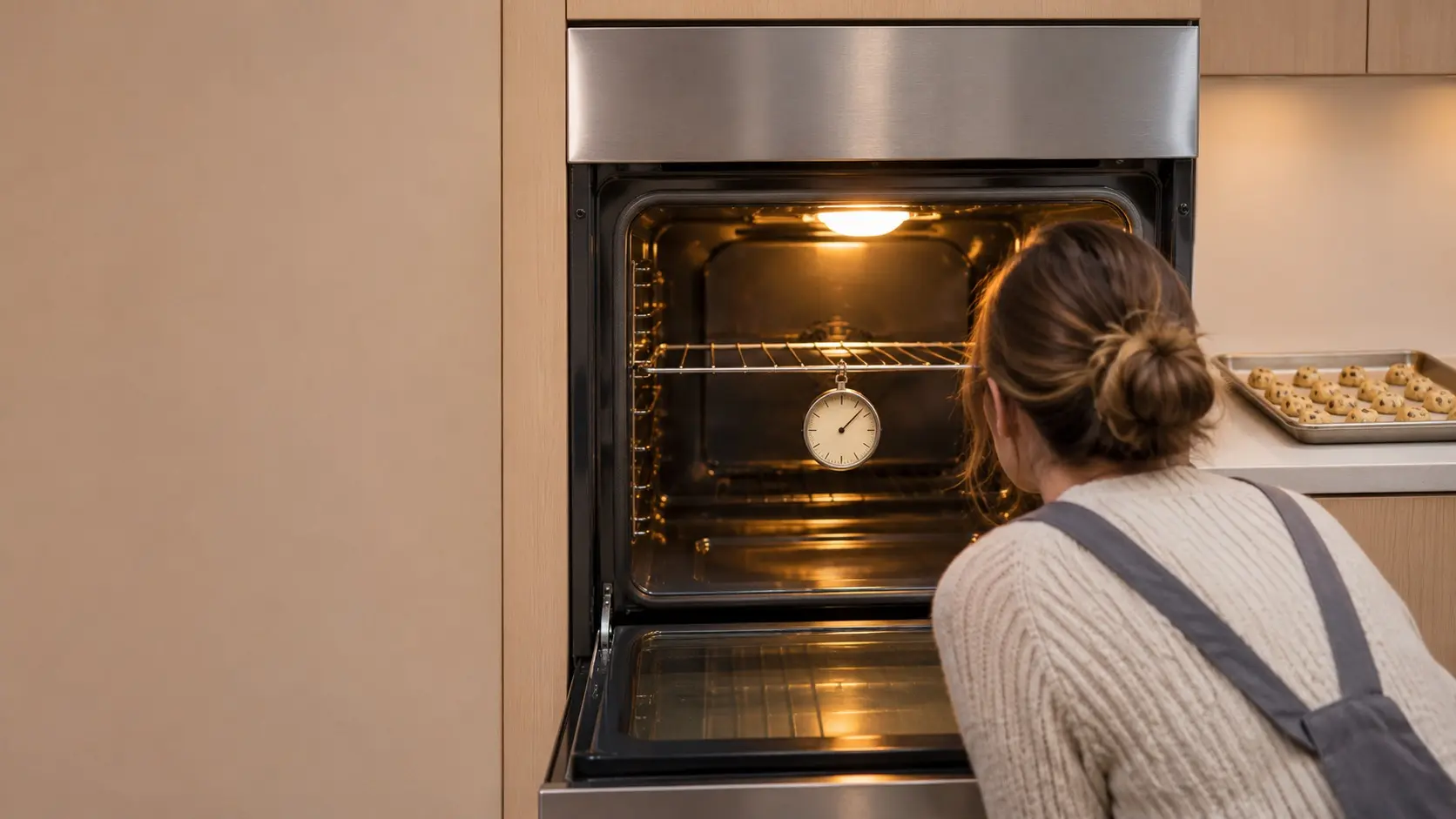
Hang or stand the thermometer in the middle of the center rack, dial facing the door glass so you can read it without opening the door. Do not let it touch the walls or an element.
Away from the door and vents
The back wall of a convection oven and the area right near the door both read differently. Test the middle first, then repeat on the upper and lower rack if you bake on those positions.
With the oven empty
A pan or stone changes how fast the cavity recovers. Remove everything except the thermometer and the rack for the first run.

How do you run the test?
Preheat the oven to 350°F, the temperature most recipes use. When the oven says it is ready, wait another 15 to 20 minutes, because many ovens beep before the walls have caught up. Then read the thermometer every 5 minutes for 30 minutes, and write each number down.
Add the readings and divide by the number of them for the average. The highest and lowest tell you the swing.
| Result | What it usually means | What to do |
|---|---|---|
| Average close to the setting | The oven is fine | Bake as usual |
| Average off by a steady amount | Calibration offset | Adjust in the controls, if offered, or set the dial to compensate |
| Readings rise and fall around a steady average | Normal cycling of the heat source | Judge by the average, rotate pans |
| Never gets near the setting | Failing element, igniter or sensor | Stop and book a visit |
| Climbs far above the setting | Sensor or control board | Stop and book a visit |
How do you correct an oven that runs hot or cool?
Many electric and gas models let you shift the temperature by entering a setting menu and adding or subtracting a few degrees. The allowed range and the key presses differ by model, so look up the words "temperature offset" or "calibration" in the owner's manual for your oven. The change applies to every bake after it, so make one small adjustment at a time and run the test again.
If your oven has no offset option, write the correction on a sticky note inside a cupboard, for example "runs cool, set a little higher than the recipe." That is good enough for most baking and costs nothing. Do not bend or move the sensor probe inside the cavity; that thin rod is easy to damage and gives a wrong reading when it is moved.
When is the problem a part and not a setting?
An offset helps with a steady error. It does not help with a part that is failing, which tends to show as a different pattern.
- The oven takes much longer than before to preheat, or beeps ready while the thermometer still sits far below the setting.
- The temperature climbs far past the setting and shows no sign of turning off.
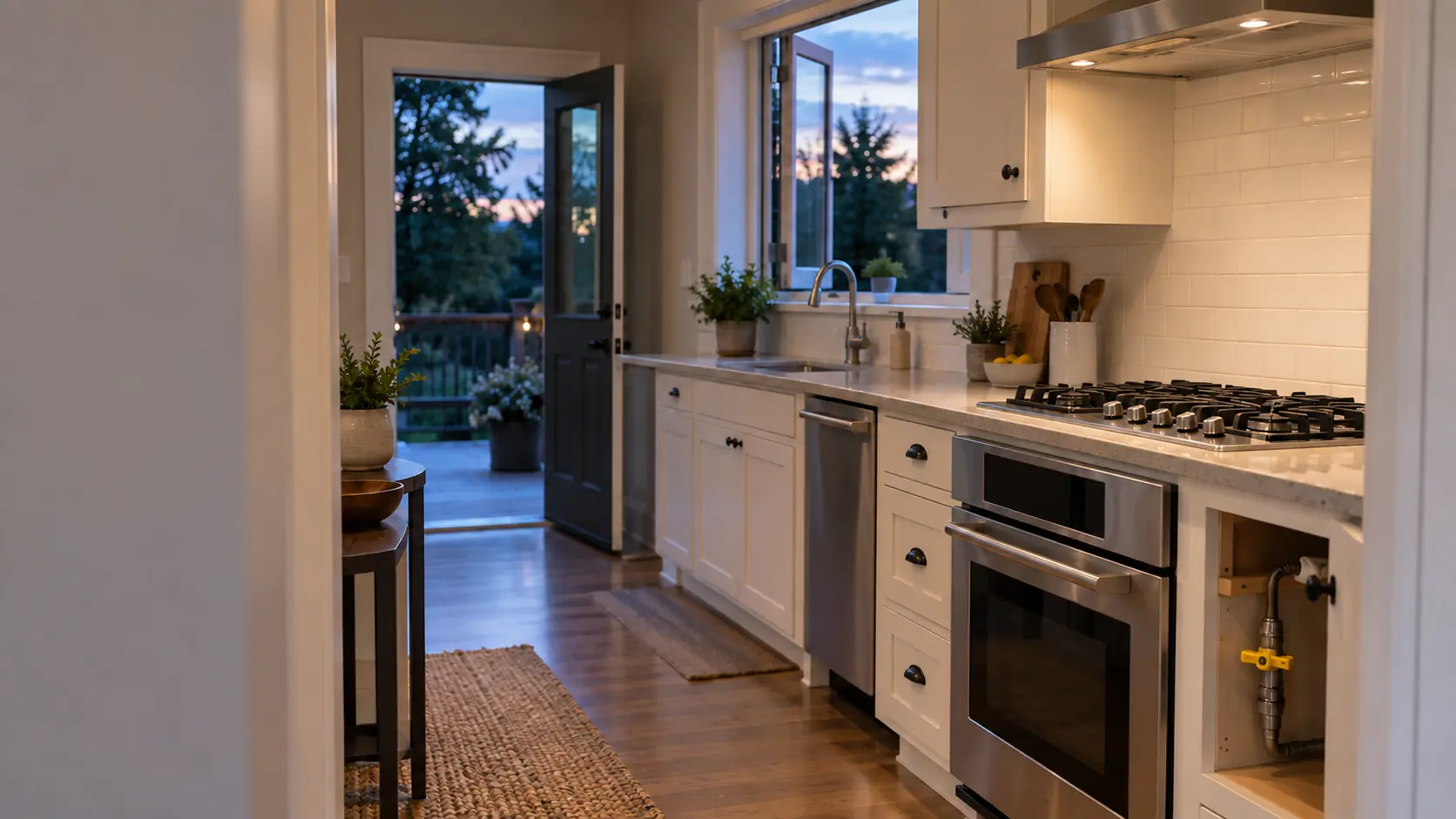
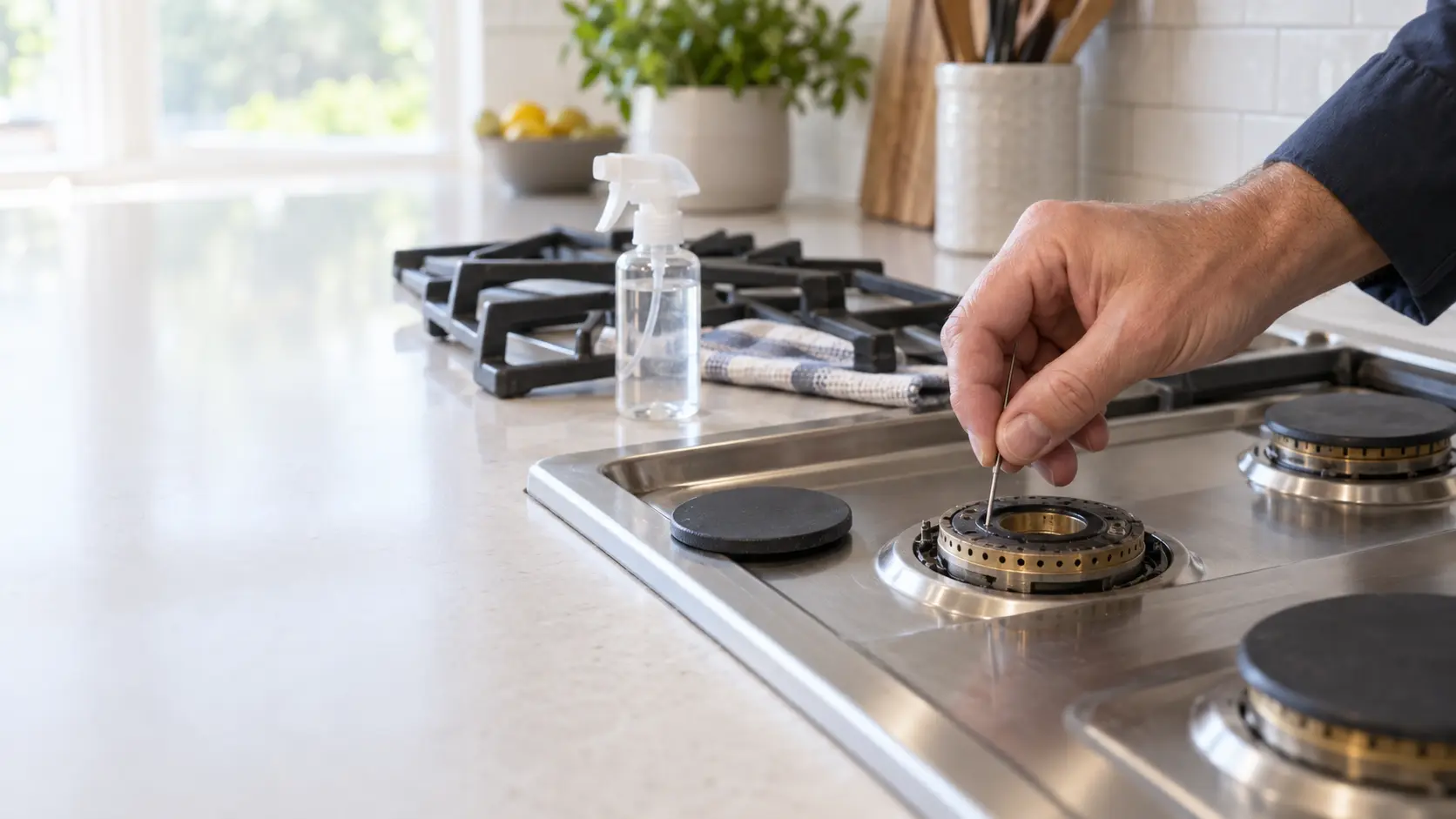
- On gas models, a slow, weak or clicking igniter, or a flame that looks yellow or uneven.
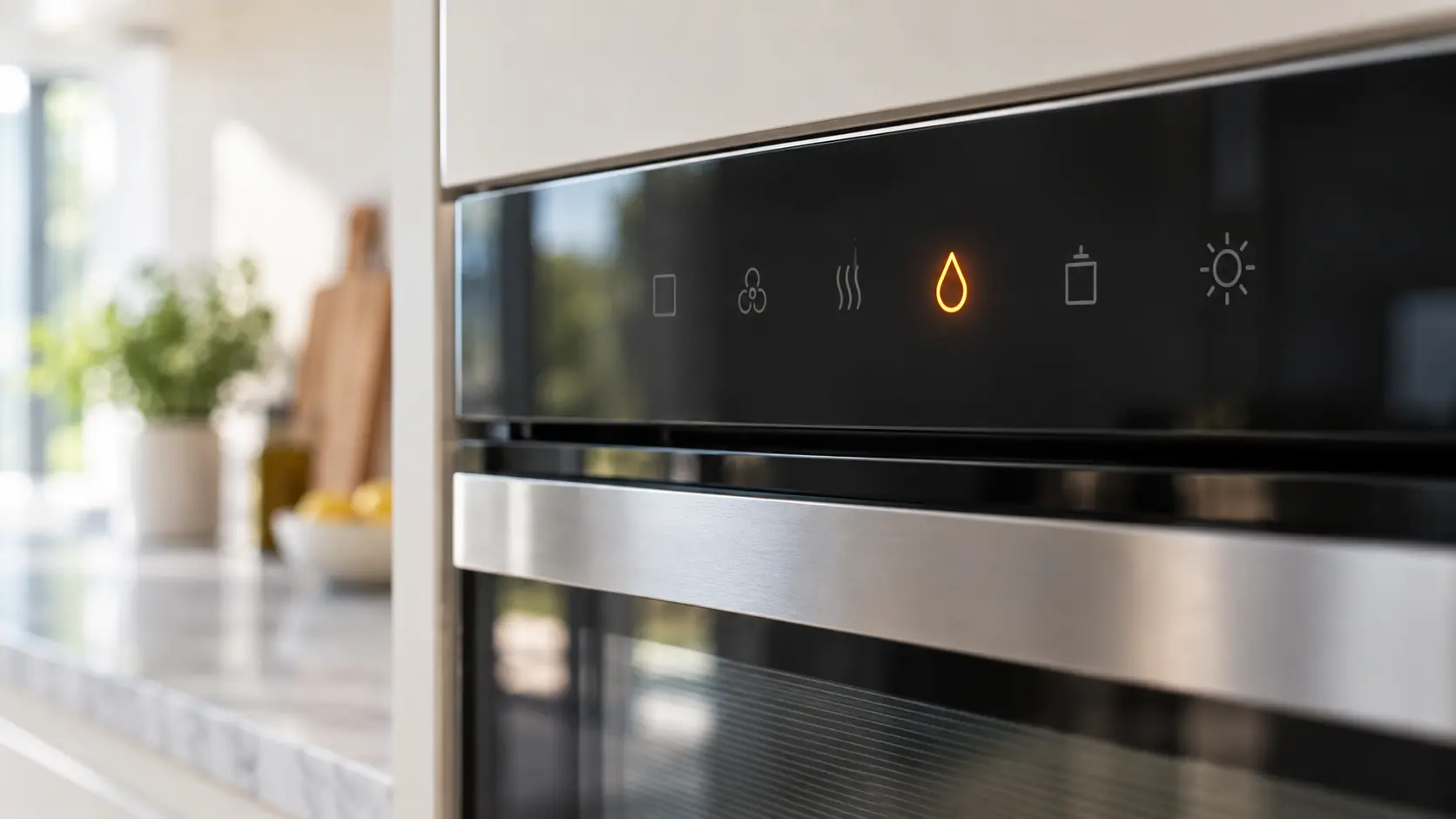
- A display error or a clean code that is not described in the manual. See reminder lights and clean codes and the general error codes page.
A weak igniter is a common reason a gas oven heats slowly or runs cool. If you smell gas, leave the home, do not use switches or flames, and call the gas utility or 911 from outside; gas burners and carbon monoxide explains the warning signs. Otherwise, a burner, igniter and gas connection check or a diagnostic visit is the route for an oven that cannot hold a temperature.
How often should you test, and what else raises accuracy?
Test once a year, and again after a repair, a move, a power outage, or when baking suddenly changes. The yearly habit fits into a yearly upkeep calendar for the home. If you notice the signs described in signs an appliance is overdue for service, do not wait for the date.
Small habits help the reading stay honest: keep the door gasket clean and flexible, avoid opening the door to peek, because each opening lets heat out and the oven has to recover, and use light-colored pans, which brown more evenly than dark ones. For more on routine care, see the cooking appliance maintenance type page.