
Read first, book second
Appliance
guides,
read first.
A home appliance maintenance guide is only useful if it answers the question you actually have, so these are split by what you are trying to find out — is this worth paying for, what is that noise, what can I check myself — rather than by which part of the appliance it concerns.
Mon–Sat, 8am–8pm
- 18 guides
- 6 sections
- No booking needed
Book a visit
Three short steps, about a minute.
or call (844) 879-5178
Loading appointment form…
The appointment form couldn’t load. Please try again.
Work out what
you are dealing with.
Split by what you are trying to find out rather than by what part of the appliance it concerns.
All 18 guides
Signs an appliance is due

Fire, gas and water safety
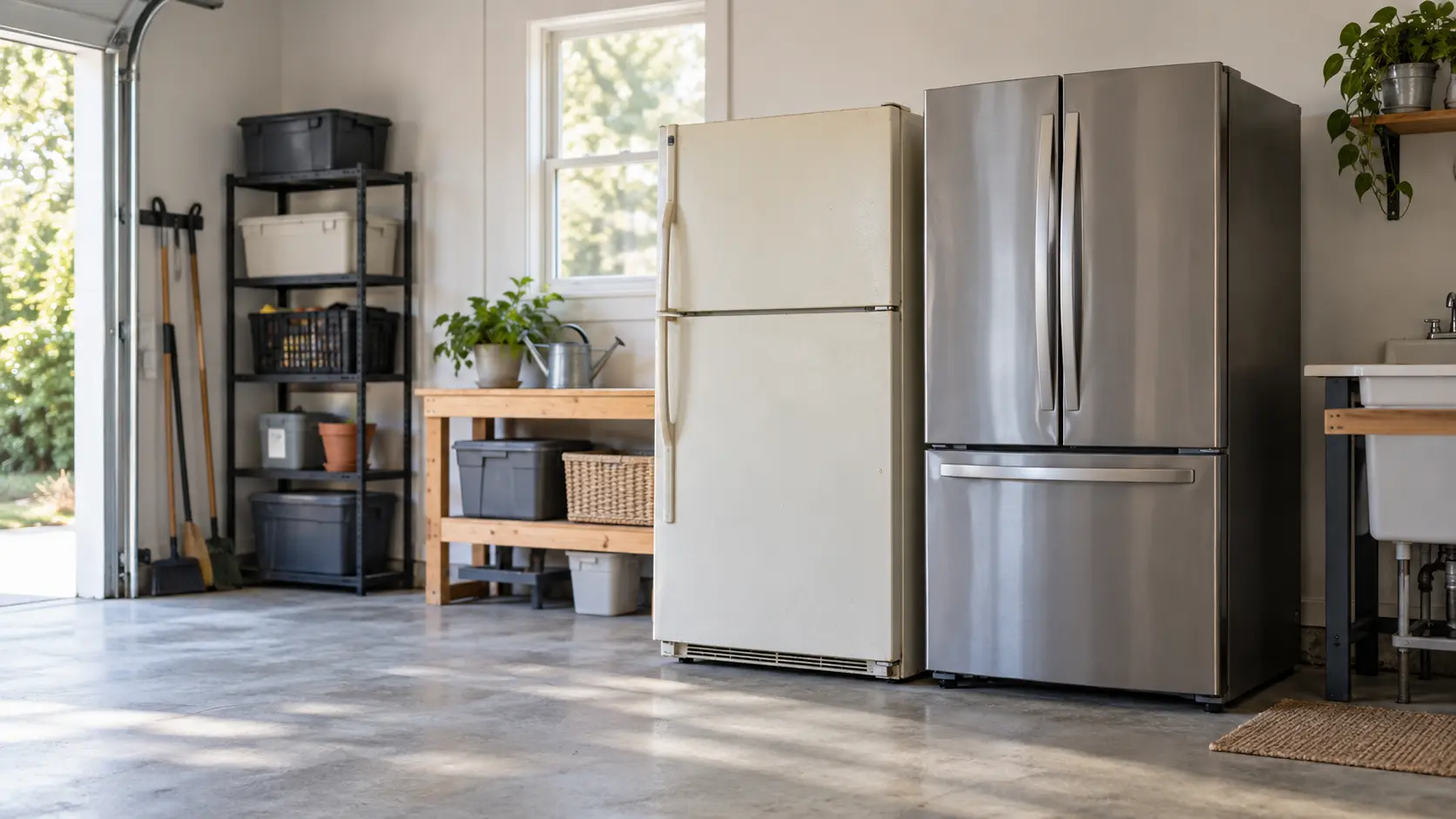

Set up for easy upkeep
The work itself
Every guide here ends in the same place: what a technician actually does about it, in the order it gets done.
10 kinds of workCheapest cause firstWhat a visit costs See what we doWondering what a visit might cost? That has a page of its own, because the figure depends on how many appliances are on the list and what state they are in — appliance maintenance cost.
Not sure
where to start?
Homeowners booking upkeep tend to ask the same handful of things. The four guides below are for the homeowner who worries about lint behind the laundry, wants a calendar for the whole house, is weighing a yearly plan against calling when needed, or owns an appliance old enough to wonder whether upkeep still pays, and several of them end with a task you can do yourself.
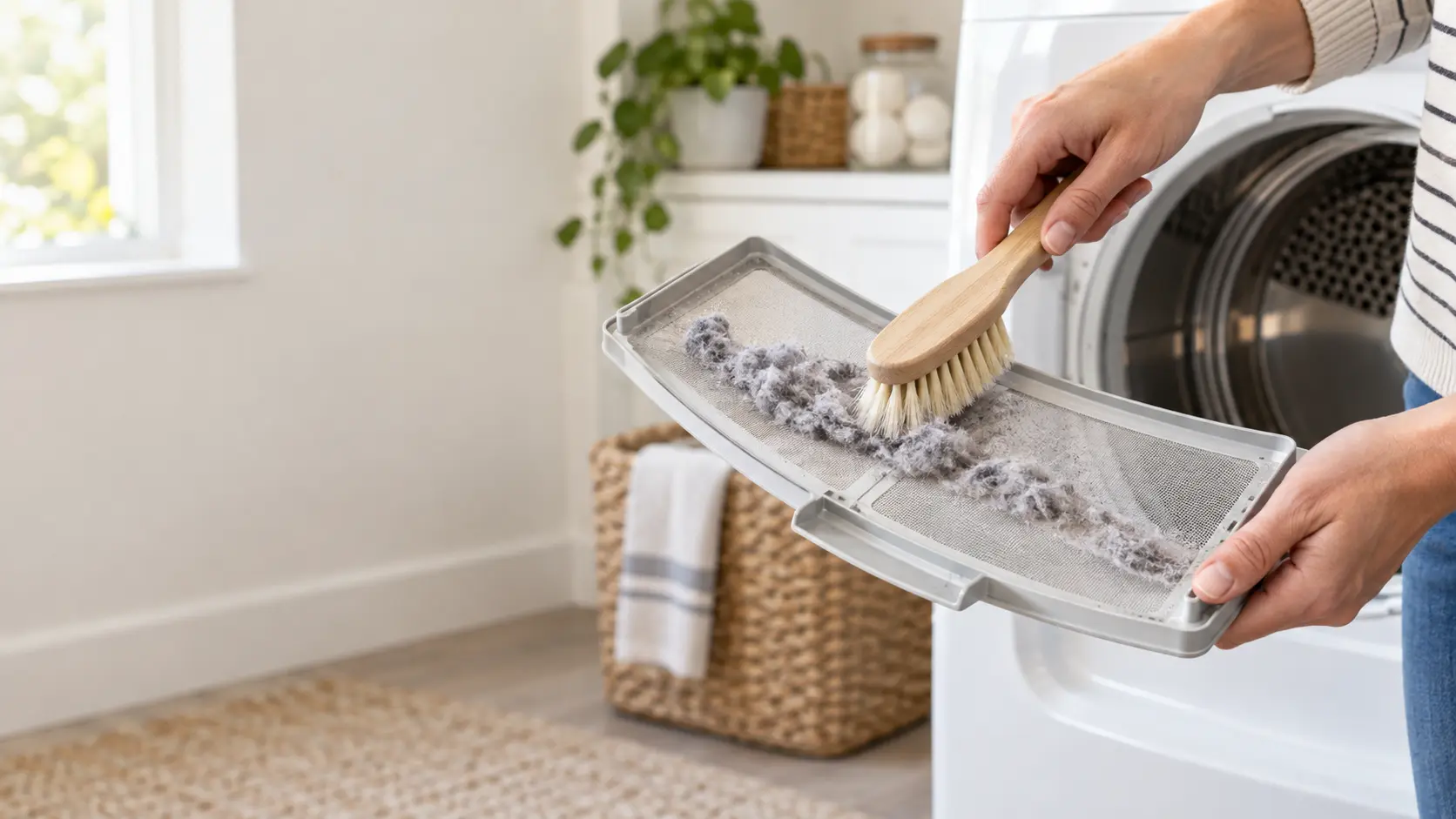
Or start from the symptomLint in the exhaust run is a fire riskLint, exhaust runs and fire risk behind the laundry closet
The screen catches most of the lint and the duct collects the rest. How long a run may be, what it should be made of, and how to tell it is choking before it overheats.
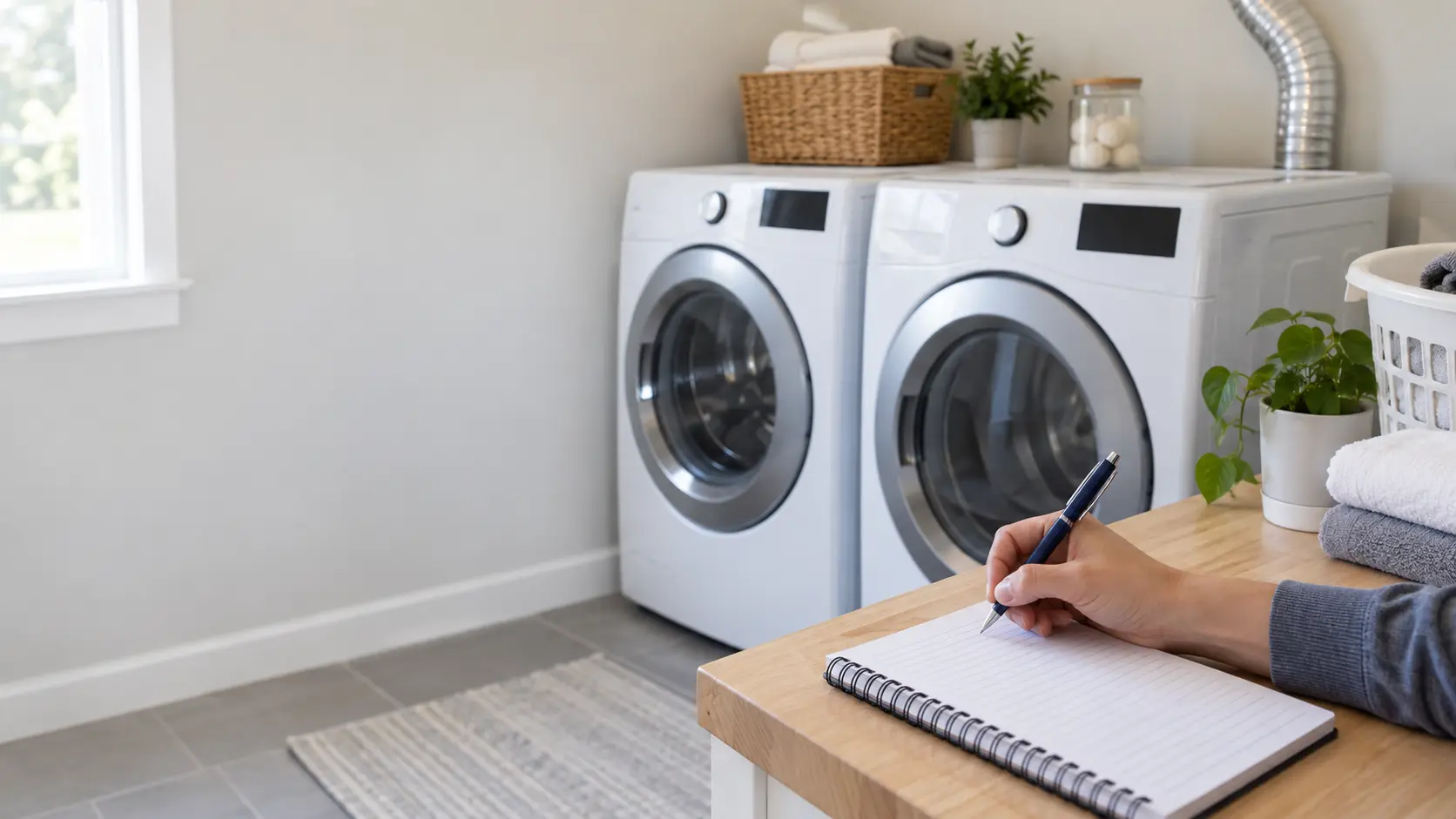
What falls due in which monthA yearly upkeep calendar for the whole home, job by job
Every load, every month, every six months, every year, every five: the makers' intervals laid out as four checkpoints a household can actually keep.
A yearly plan or a visit when neededA service plan or one-off visits: matching upkeep to the appliances you own
A maintenance plan books the cleaning before anything fails; a repair contract pays after it does. How to tell which one is on offer, and when a single visit is enough.
When upkeep stops paying offKeep maintaining or replace: when upkeep stops paying on an aging appliance
Age alone decides little. What the next visit can still restore, what the design year has locked in, and what the old unit's disposal involves decide more.
When reading
is not enough.
If the checks in a guide did not settle it, a technician picks up from there. The visit, stop by stop.
What services cost- 01A walk around the house first
- 02Cleaned, checked and adjusted
- 03Wear parts before they fail
- 04A service record for the house
When there is
no time to read.
These five signs mean upkeep has waited too long and a hazard has started in the home, so the appliance stays off until it is looked at: a hot or burning-lint smell from the laundry, a gas smell at a cooking appliance, a supply hose leaking or bulging, a burning electrical smell, and a breaker that trips when the appliance runs. Each page puts the causes in the order worth checking, and says when to stop and book.
All 17 problems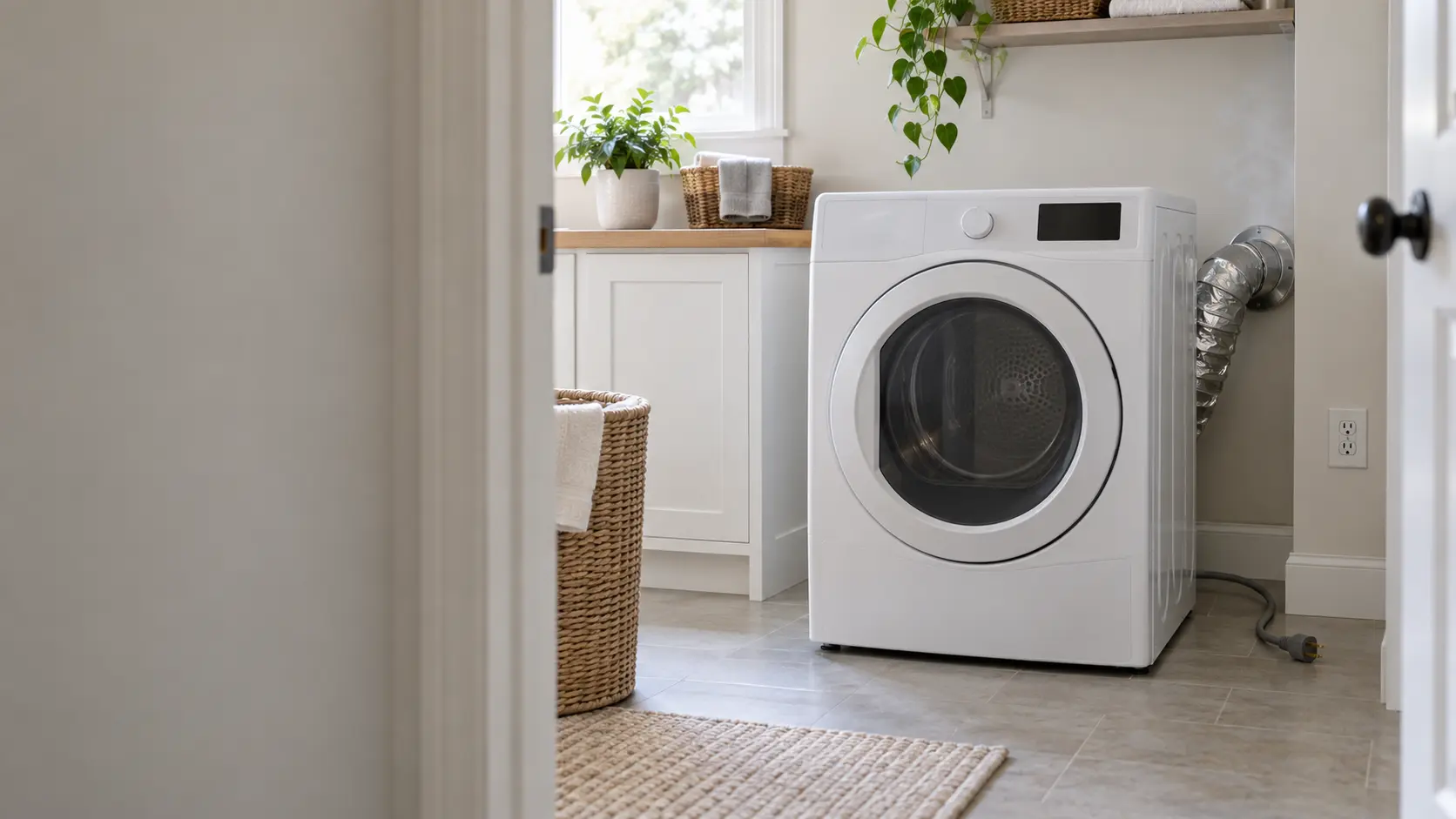
Hot or Burning Lint Smell in the Laundry Room: Stop the Cycle
6 causes, cheapest first

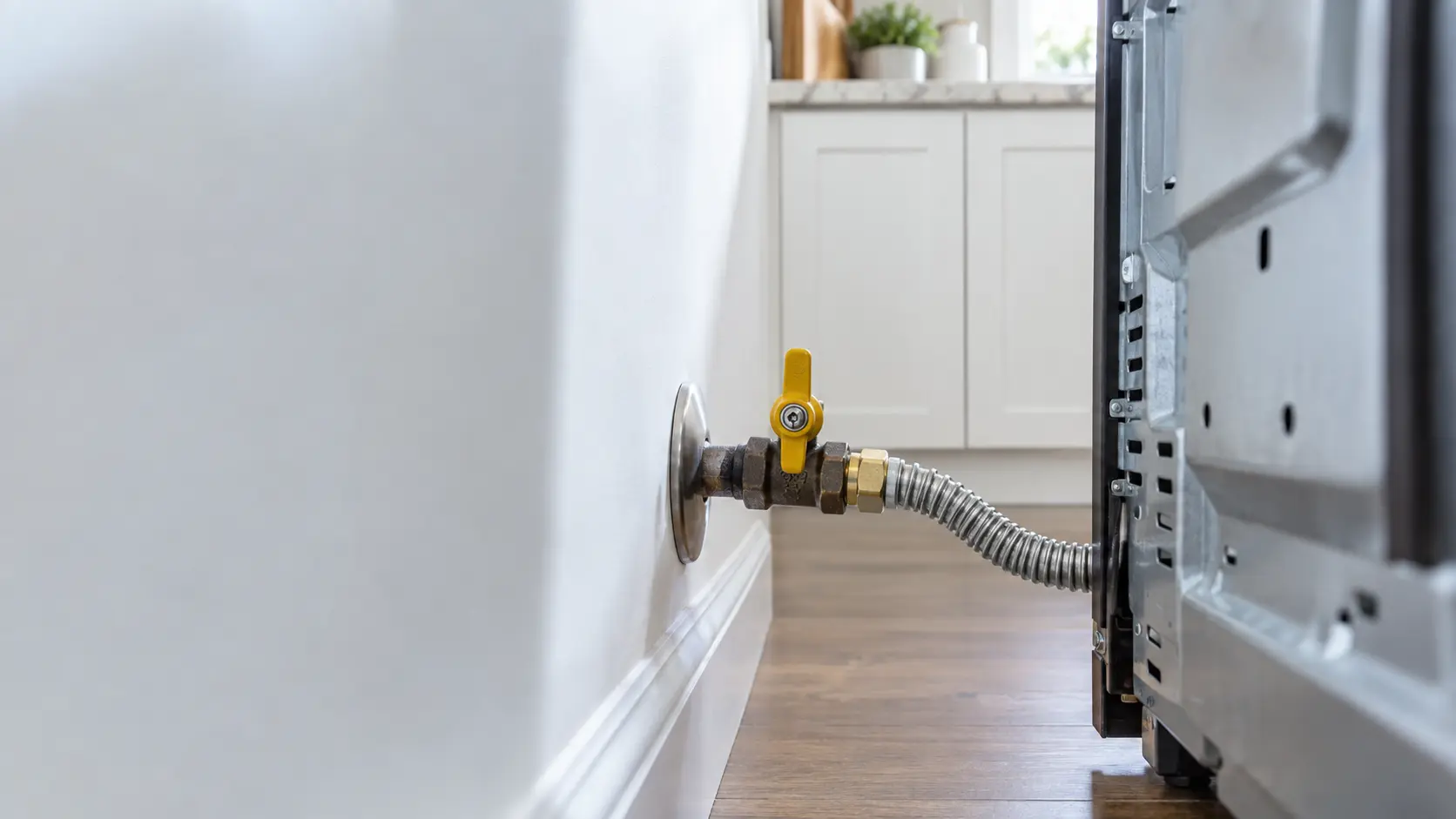
Gas Smell Near the Oven or Burners: Get Out, Then Call
6 causes, cheapest first

Supply Hose Leaking or Bulging Behind an Appliance: Shut the Water Off
6 causes, cheapest first
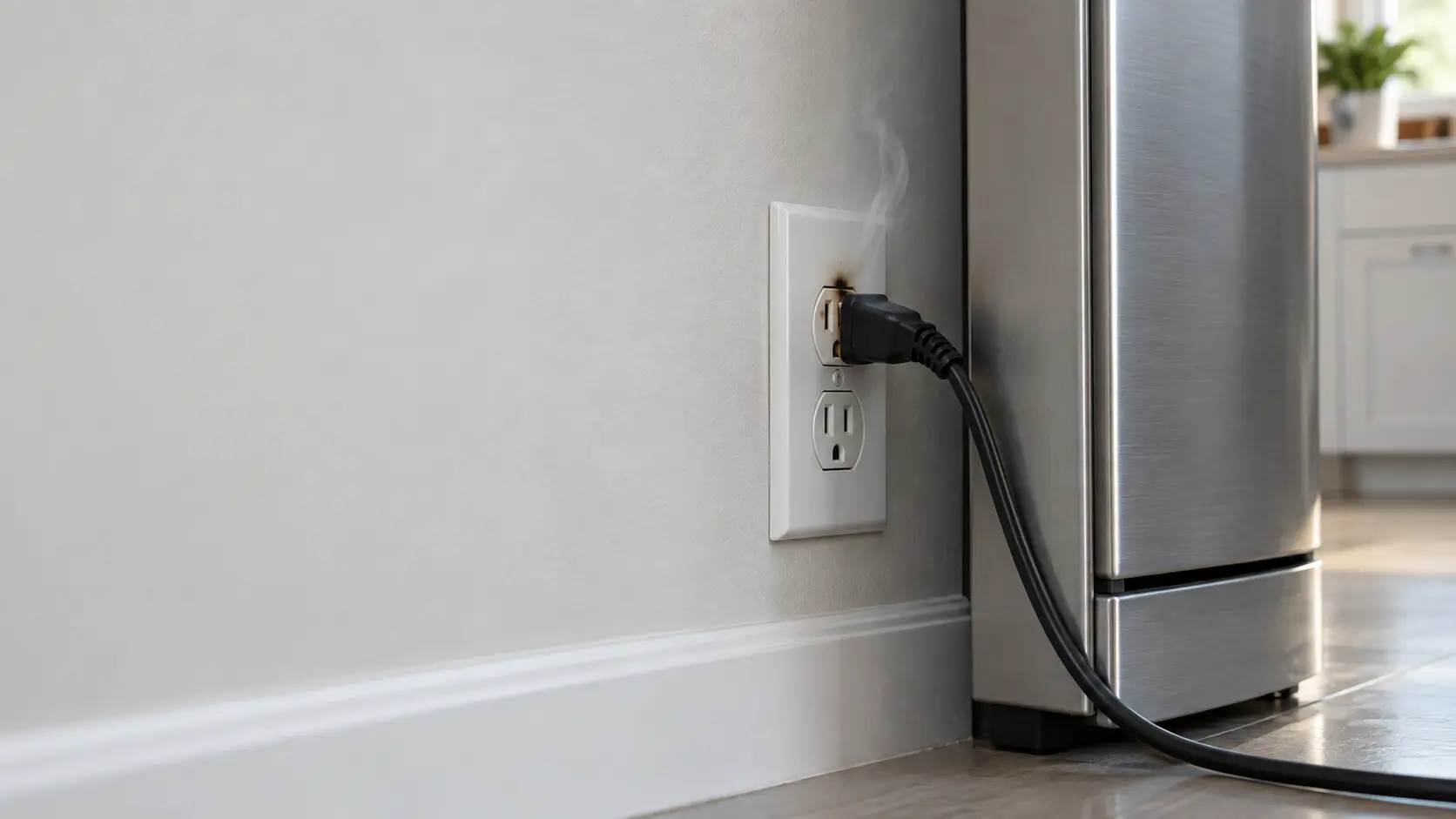
Burning Electrical Smell From an Appliance: Breaker Off First
6 causes, cheapest first
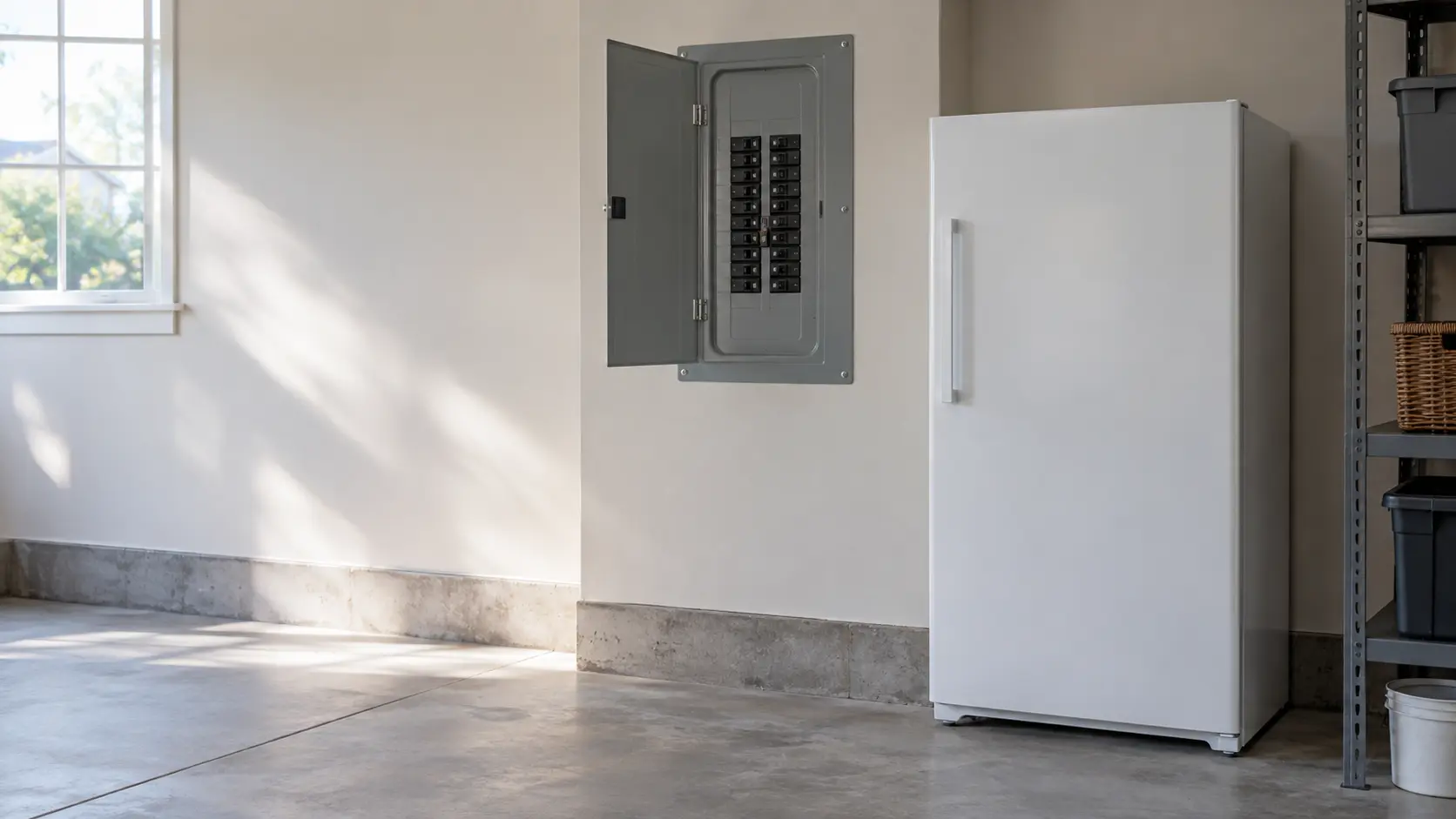
Appliance Tripping the Breaker Every Time It Runs
5 causes, cheapest first

Questions about
the guides.
Can a guide replace a maintenance visit?
Do the upkeep guides follow a single brand?
When is a guide more useful than a problem page?
Where do the facts in the upkeep guides come from?
Back to your everyday
Let’s get your home appliance working again.
Three short steps online, or one call. Tell us what you are seeing and pick a window that works.