A technician in a plain navy work shirt holding a coil brush beside a refrigerator, face turned away.

Author · ApplianceMaintenance.center

Technical team
behind the guides.

Technicians who clean and check household appliances, writing from home visits, service records and each maker's care chapter.

(844) 879-5178

Mon–Sat, 8am–8pm

  • 18 guides written
  • Checked against the maker
  • Updated September 26, 2026

Book a visit

Three short steps, about a minute.

or call (844) 879-5178

Who writes
the guides.

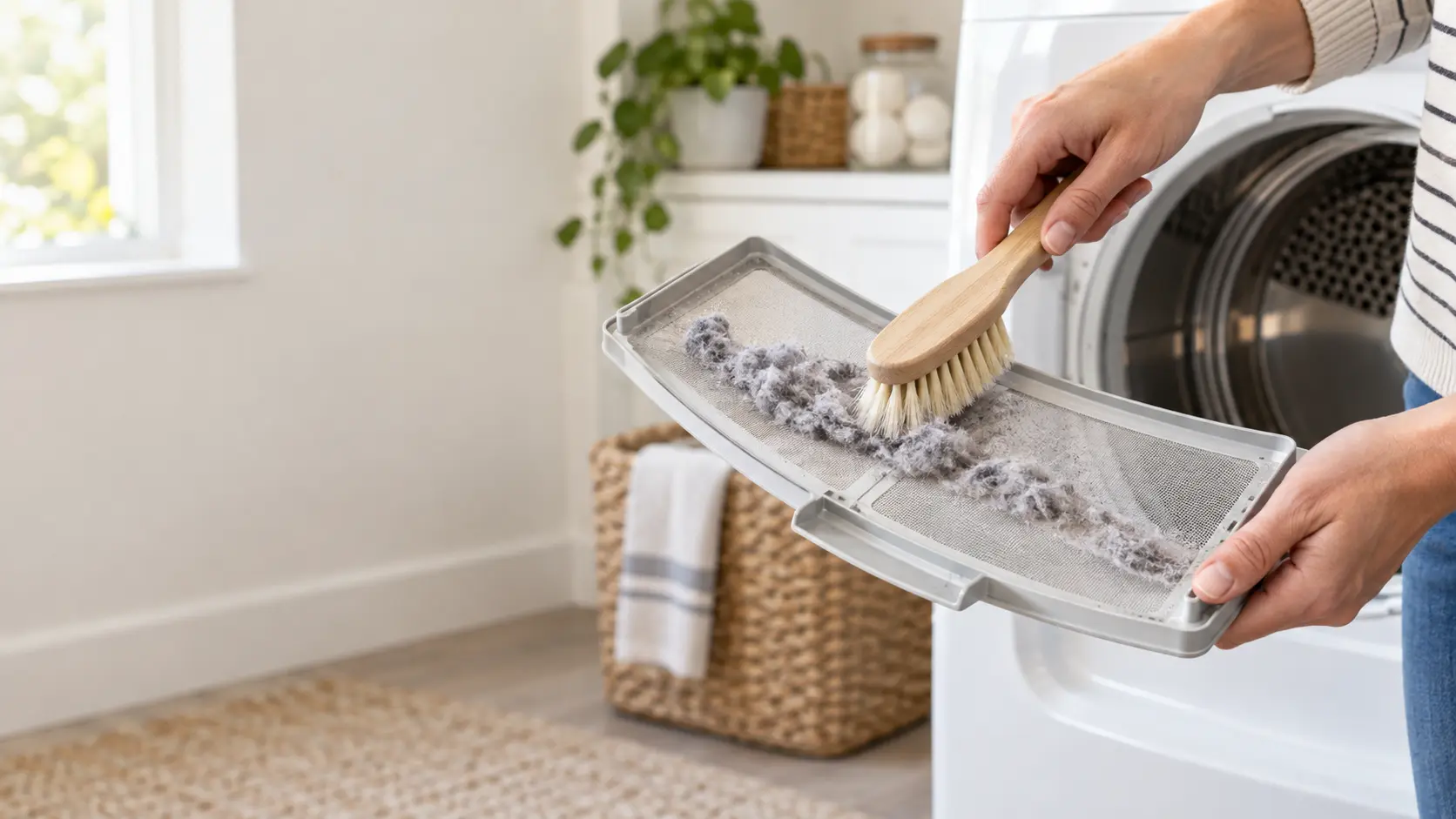
Every page on this site grows out of maintenance visits to ordinary homes, usually booked for a quiet weekday morning with the dishwasher emptied and the laundry pair pulled out from the wall. A subject gets a guide once homeowners keep asking the same thing in the same words: how often the coils really need cleaning, whether the filter light can be trusted, why towels suddenly take two cycles, what the yellow tips on a burner flame mean, and whether a yearly visit is worth it.

What we write comes from appliances our technicians have cleaned and checked in place: kick plates off, lint runs opened end to end, filters weighed against new ones, gaskets tested with a strip of paper. We explain what a display reminder means only after finding it spelled out in that company's own documents. Sentences that rest on a manual link to it, and sentences that rest on our own visits say so.

About this business

RoleHousehold appliance maintenance technicians

Independent repair service.

Guides18 guides in six sections

Signs an appliance is due · Checks between visits · Routines and schedules · Fire, gas and water safety · Plans, visits and replacement · Set up for easy upkeep

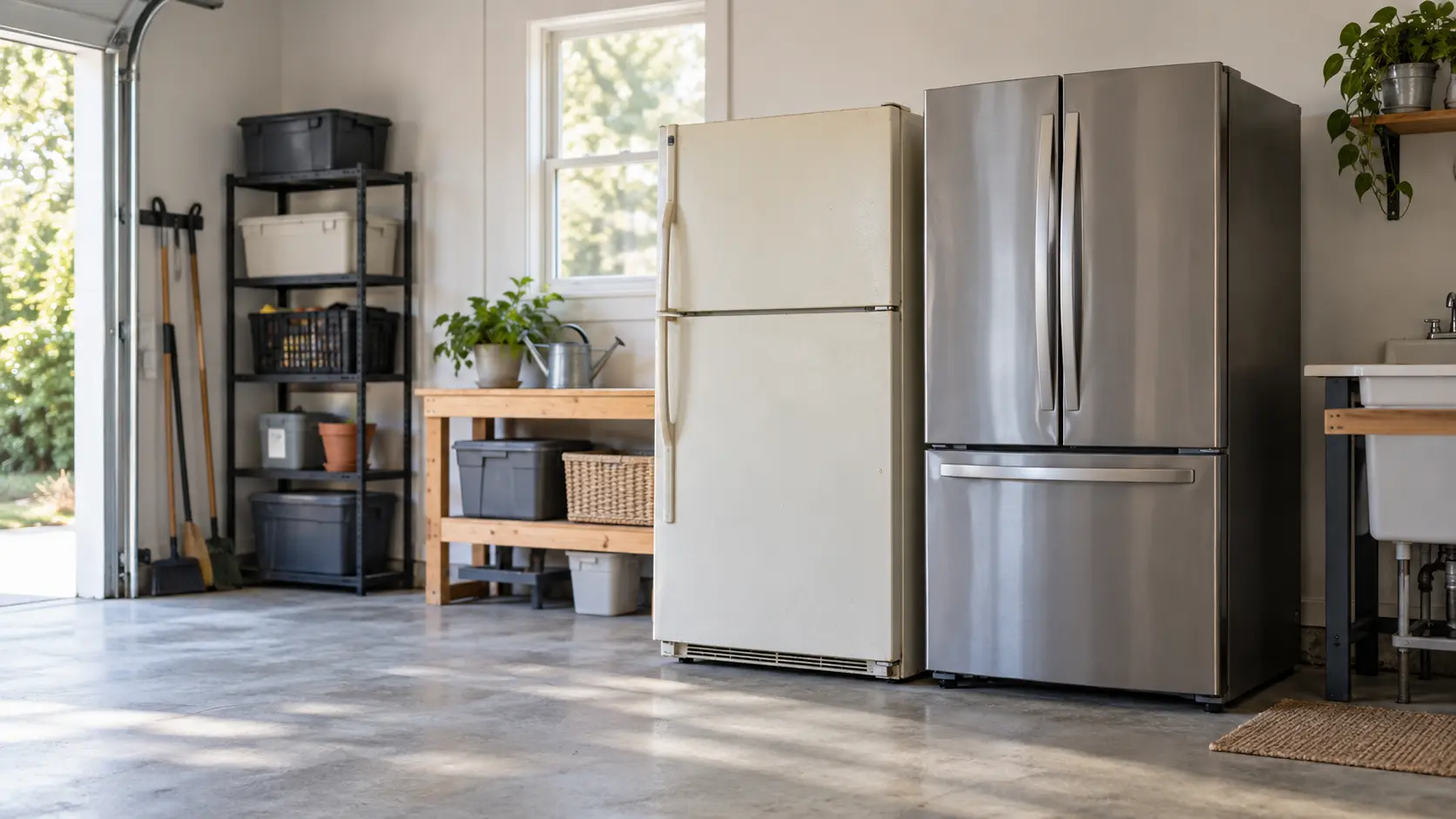
Knows aboutCondenser coils on freestanding and built-in cold storage: where each maker hides them, how dust and pet hair load them, and what a clean coil does to run time

Door gaskets on refrigerators, freezers, wine units and ovens: the paper test, cleaning, re-seating and when a gasket is past saving · Water filters, inlet screens and scale: refrigerator cartridges, ice makers, steam ovens, built-in coffee systems and dishwashers in hard-water areas · Laundry lint paths: screens, screen housings, transition ducts, long exhaust runs through walls, attics and roofs, and the fire risk they carry · Front-load washer drum seals and drain filters, supply hoses and shutoff valves, and the musty smell that grows between loads · Dish-care filters, spray arms and sump screens, and the rinse-aid and salt settings that keep glasses clear · Gas burner ports and igniters, hood grease and charcoal filters, hood fans, and the carbon monoxide questions a gas kitchen raises

Last updated

Signs an appliance is overdue for service: time, sound, water and the calendar

How a guide
is written.

Four rules every guide on this site follows, from the first question to the last revision.

01

Topics come from homeowners' questions

Subjects follow the words people use when they book upkeep or ask about it on the phone, and each guide begins with what a homeowner can safely do first: unplug the appliance, close the water valve, note the reminder on the display, and write down when the task was last done.

02

Checked against the makers' care chapters

Cleaning intervals, the filters and descalers a maker allows, water-hardness settings and the meaning of any reminder code come from the makers' own owner's manuals and use and care guides, and a line that relies on one names it.

03

Where upkeep stops and safety starts

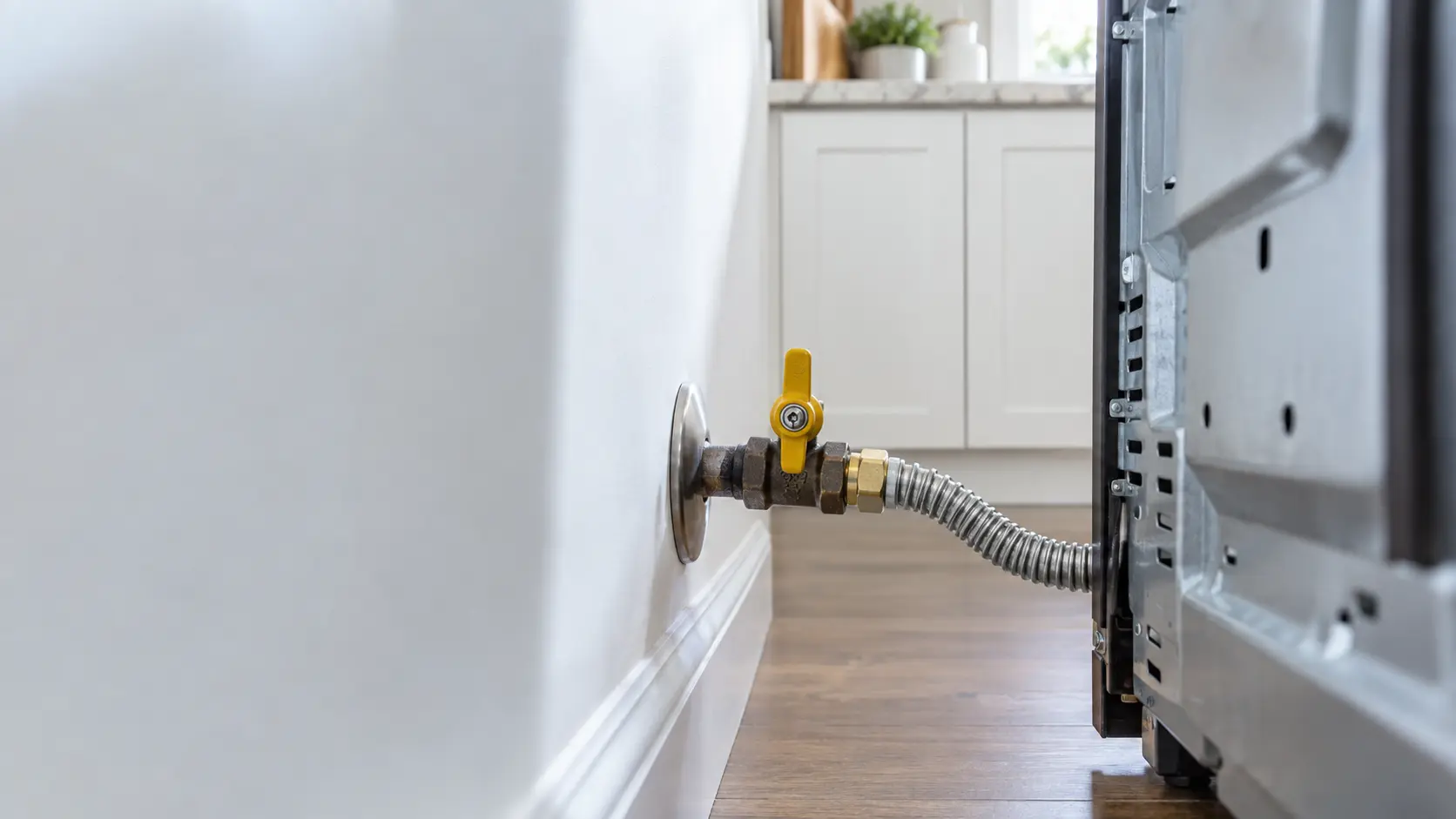
No guide on this site bends the following. A hot or scorched-lint smell from the laundry: end the cycle, unplug, and leave it off until the exhaust run is cleared. A gas smell at a cooking appliance: burners off, no flame and no switches, windows opened, everyone out, and the utility or 911 called from outside. A leaking or bulging supply hose: close its valve, stay away from outlets, and switch the circuit off from a dry panel. A burning electrical smell or a breaker that trips: breaker off and left off. Nothing here sends a reader to loosen gas connections, touch sealed cooling tubing, uncover energized wiring, or put a hand inside a drum or a fan that could turn.

04

Published and revised, on the page

Two dates sit under each title: first publication and latest revision. The second one changes whenever a care chapter we relied on is updated by its maker.

Guides by
this author.

18 guides, split by what you are trying to find out.

All guides
A family sharing breakfast in a bright, well-kept home kitchen.
For the heart of your home.

Questions about
the guides.

Who writes these appliance maintenance guides?
The technicians who carry out our home maintenance visits; what they find at coils, gaskets, filters, lint runs and burners is checked against what each maker publishes in its care chapter.
Does an appliance maker sponsor any of these upkeep guides?
No. Our business stands apart from all appliance companies; none funds a page here or previews a draft.
Something in a care guide looks wrong. Who do I tell?
Use the contact form, paste the address of the guide and quote the line in question. If we confirm it, the passage is rewritten and the guide's revision date moves forward.

Back to your everyday

Let’s get your home appliance working again.

Three short steps online, or one call. Tell us what you are seeing and pick a window that works.

(844) 879-5178 Schedule maintenance