
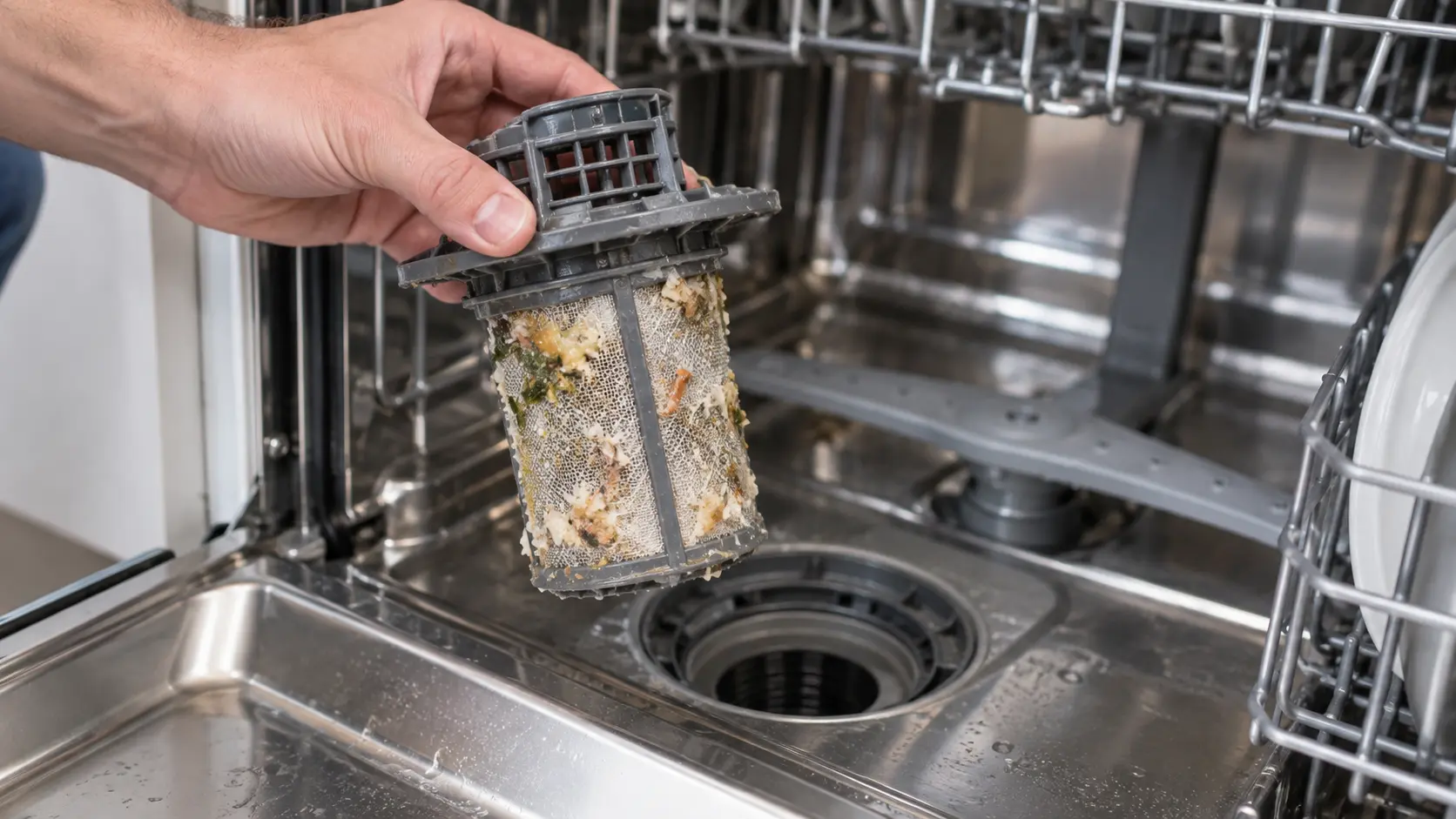

What slow wear looks like before it becomes a breakdown
Signs an appliance is due
guides.
The early signs that an appliance in the house is overdue for upkeep: longer run times, frost, flat-tasting ice, gritty glasses, towels that stay damp, musty drums, yellow flames and a creeping power bill.
Mon–Sat, 8am–8pm
- Three guides
- Read before you book
- Says where to stop
Book a visit
Three short steps, about a minute.
or call (844) 879-5178
Loading appointment form…
The appointment form couldn’t load. Please try again.
Signs an appliance is due,
guide by guide.
This section is about the slow changes that tell a homeowner upkeep has slipped: a drying cycle that now takes two rounds, ice that comes out undersized, glasses with a film, a hood that leaves smoke hanging, an electric bill that creeps up with no new appliance in the house. None of these is a breakdown yet, and that is the point of reading about them now.
All 18 guides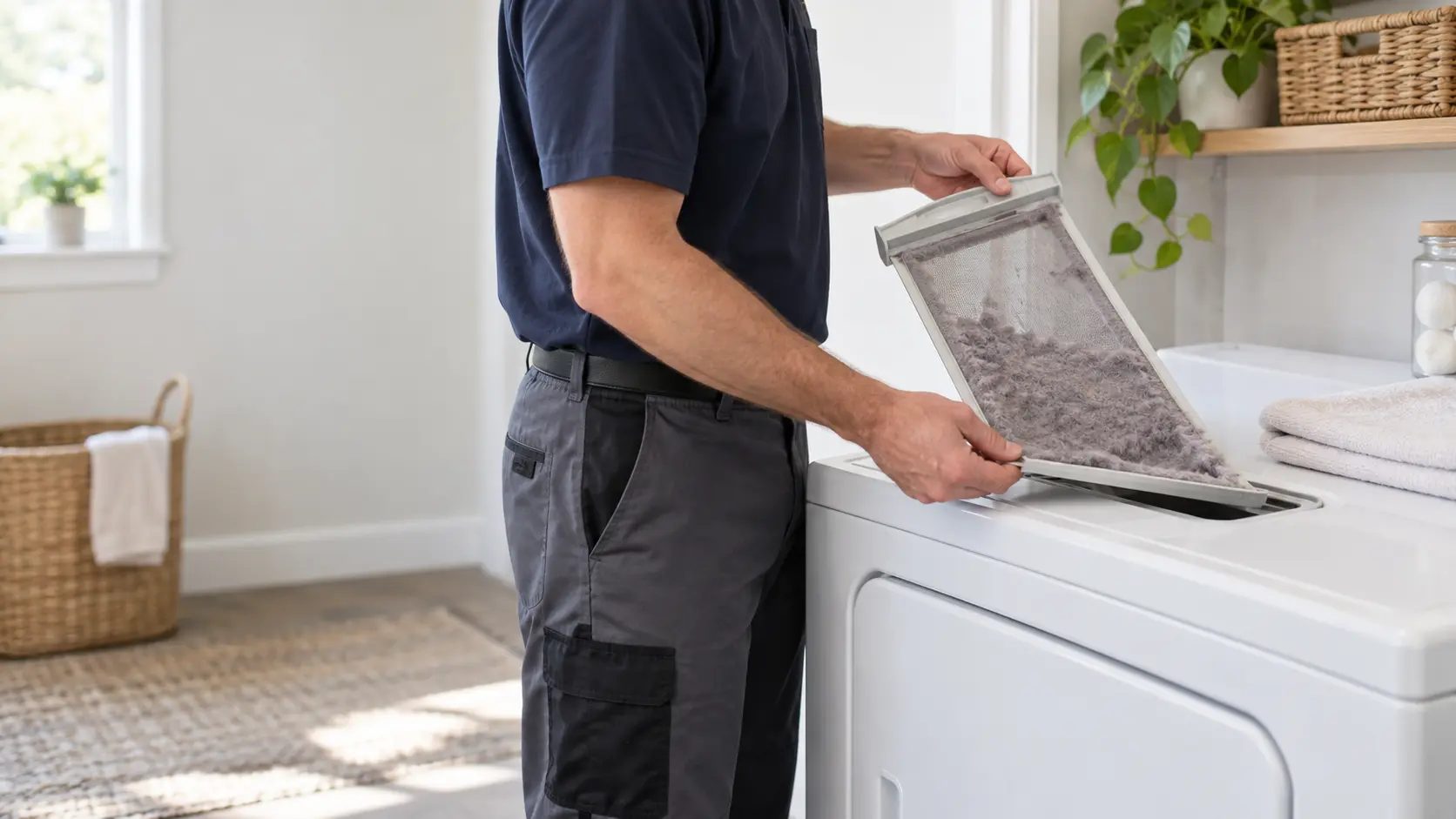


What slow wear looks like before it becomes a breakdown.
The guides follow each sign back to what usually causes it across the four appliance groups we look after: cold storage, cooking appliances, dish care and laundry. Most of the answers are buildup in a predictable place, such as dust on a coil, lint in an exhaust run, grease in a filter or scale on anything that heats water, and most of them are reversible.
They also explain the other side of the ledger, the losses no cleaning wins back, and what a skipped job tends to turn into if it is left for another year. Figures come from the makers' own care instructions and from ENERGY STAR, CPSC, NFPA, USGS and the FDA, and each source sits under the section that uses it.
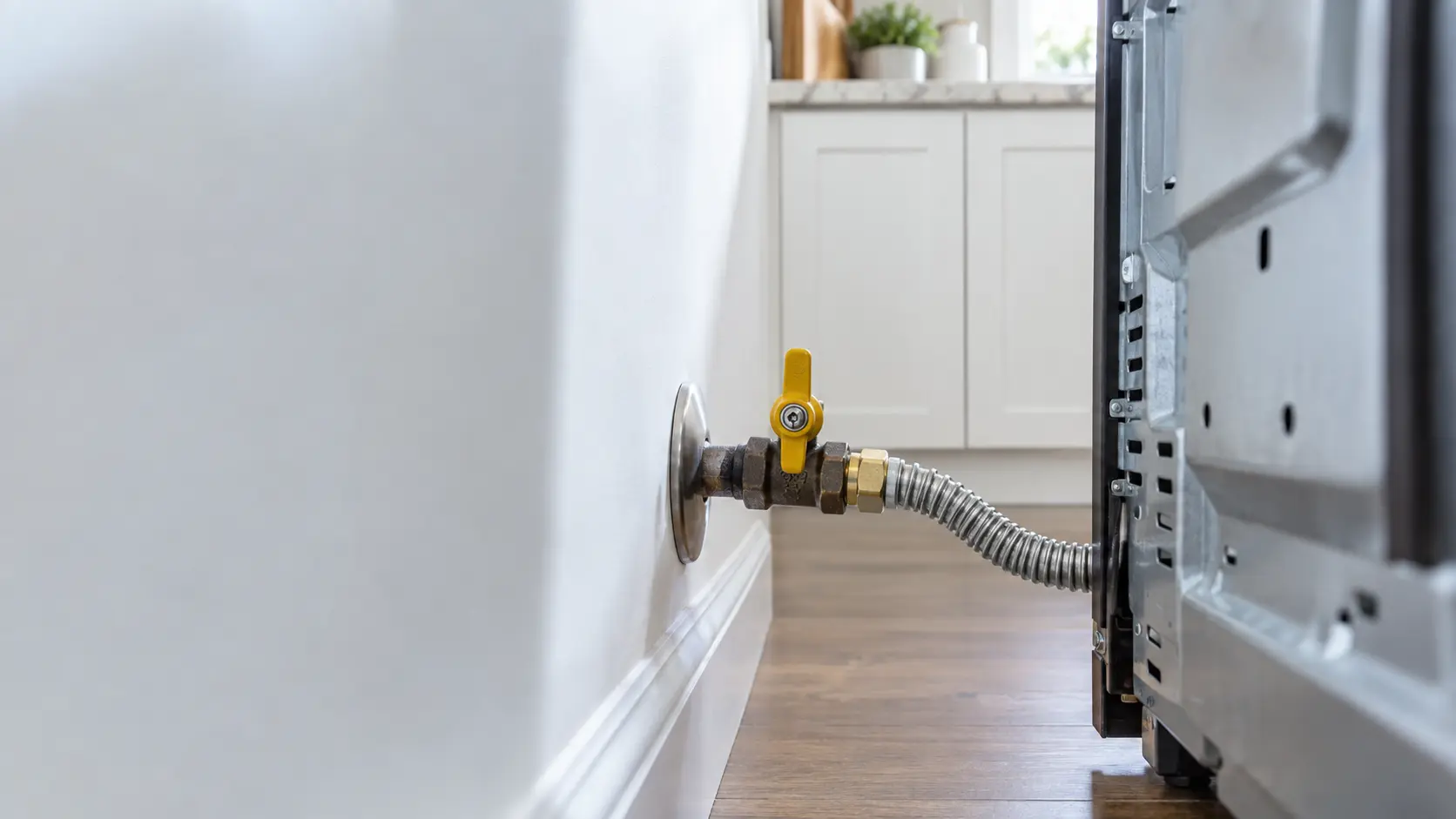
A few signs are not upkeep problems at all. A hot or burning-lint smell, gas near a burner, a leaking or bulging supply hose, a burning electrical smell and a breaker that trips when an appliance starts all mean switching off first. Each guide says where that line is, and hands anything already broken to the repair site for that appliance.
Not sure where to start?The short answerSigns an appliance is overdue for service: time, sound, water and the calendar
An appliance is overdue for service when its cycles stretch, its water parts slow down or spot glassware, it makes a new sound or smell, or a maker's interval has passed without anyone noticing: six months for a coil or a water filter, one to two years for a dryer's exhaust run, five years for washer fill hoses.
The short answerWhy appliances lose efficiency with age, and how much of it upkeep wins back
Home appliances lose efficiency with age mostly through buildup rather than wear: dust on a condenser coil, lint and grease in exhaust paths, mineral scale on heated water parts, and gaskets and leveling that drift.
The short answerWhat skipped upkeep turns into: five small jobs and the repairs behind them
Skipped appliance maintenance rarely fails quietly.
When reading
is not enough.
If the checks in these guides did not settle it, the visit picks up from there, stop by stop.
What services cost- 01A walk around the house first
- 02Cleaned, checked and adjusted
- 03Wear parts before they fail
- 04A service record for the house
The problems
these answer.
Each has a page of its own, with the causes in the order worth checking.
All 17 problems
Appliance Energy Use Creeping Up With Nothing Else Changed
6 causes, cheapest first
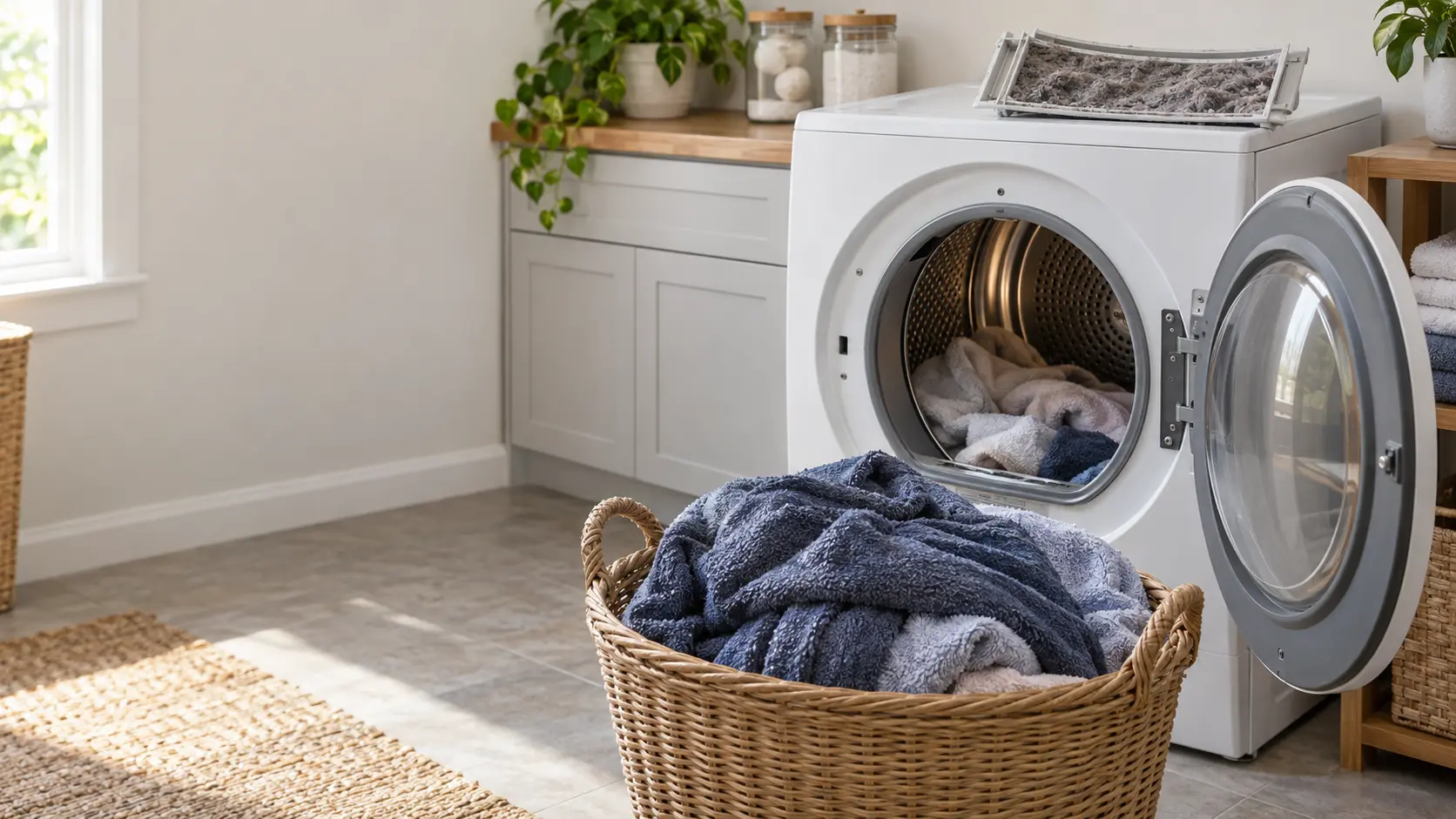
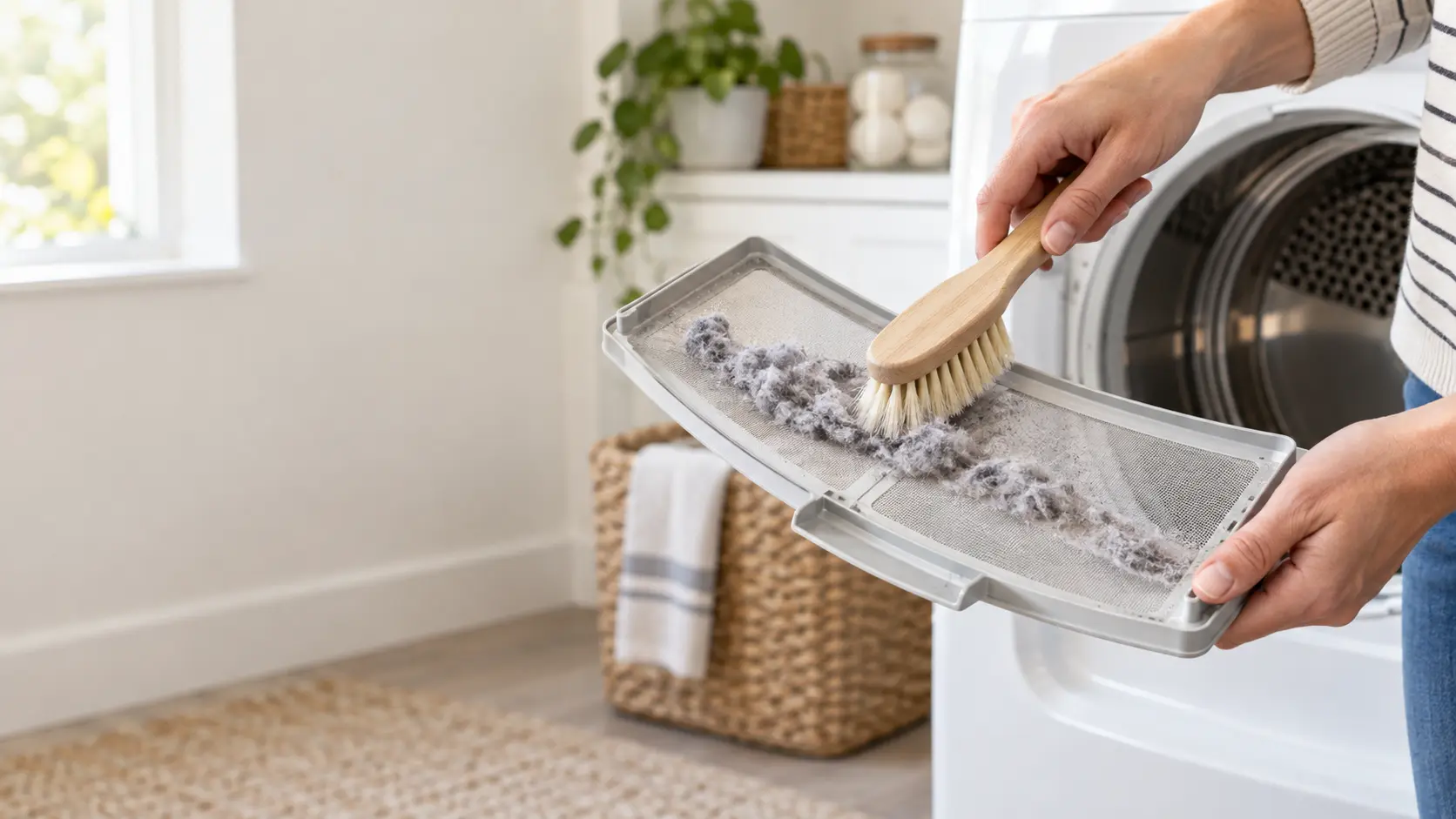
Laundry Taking Two Cycles to Dry: The Lint Path Is Usually Why
6 causes, cheapest first
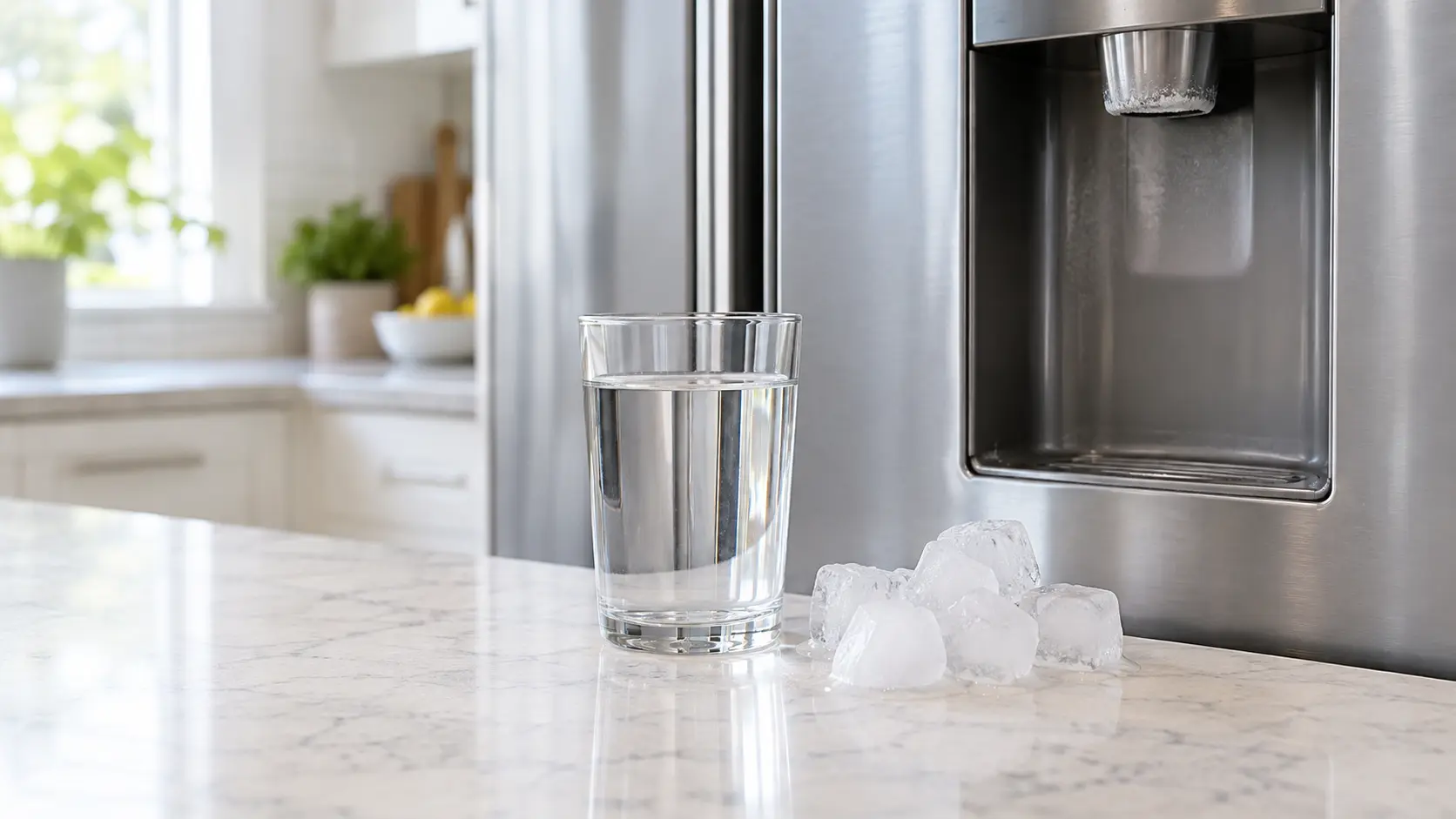
Water or Ice Tasting Stale: Filter Age, Scale and Idle Lines
6 causes, cheapest first

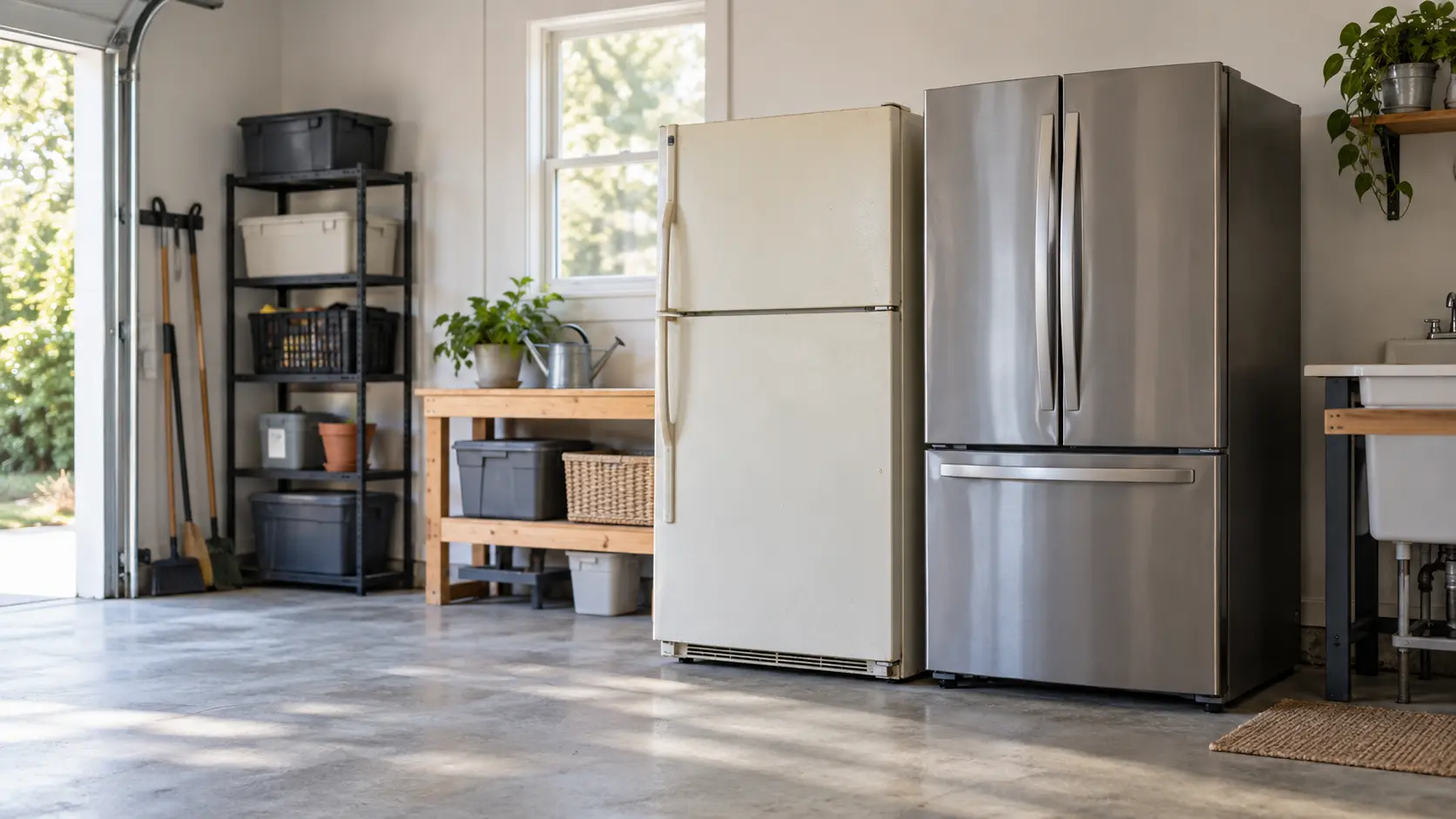
Cold Storage Running Nonstop: Coil Dust, Clearance and Door Seals
6 causes, cheapest first

Questions about
signs an appliance is due.
How do I know whether a change is wear or buildup?
Which sign in this section is the most urgent?
Do these signs look the same on every make?
Can a maintenance visit confirm what I am seeing?
The other
sections.
Split by what you are trying to find out rather than by which part of the appliance it concerns.
All guides
Fire, gas and water safety

Set up for easy upkeep
Start from your question
The four questions most visits start with, each with the guide that answers it.
18 guidesWhere to start Where to startBack to your everyday
Let’s get your home appliance working again.
Three short steps online, or one call. Tell us what you are seeing and pick a window that works.