
What is due when, across the whole house
Routines and schedules
guides.
A calendar for the home's appliances: coils twice a year, water cartridges on the maker's schedule, dish-care filters monthly, lint runs yearly, hood filters by how often you fry, and scale by how hard your water is.
Mon–Sat, 8am–8pm
- Three guides
- Read before you book
- Says where to stop
Book a visit
Three short steps, about a minute.
or call (844) 879-5178
Loading appointment form…
The appointment form couldn’t load. Please try again.
Routines and schedules,
guide by guide.
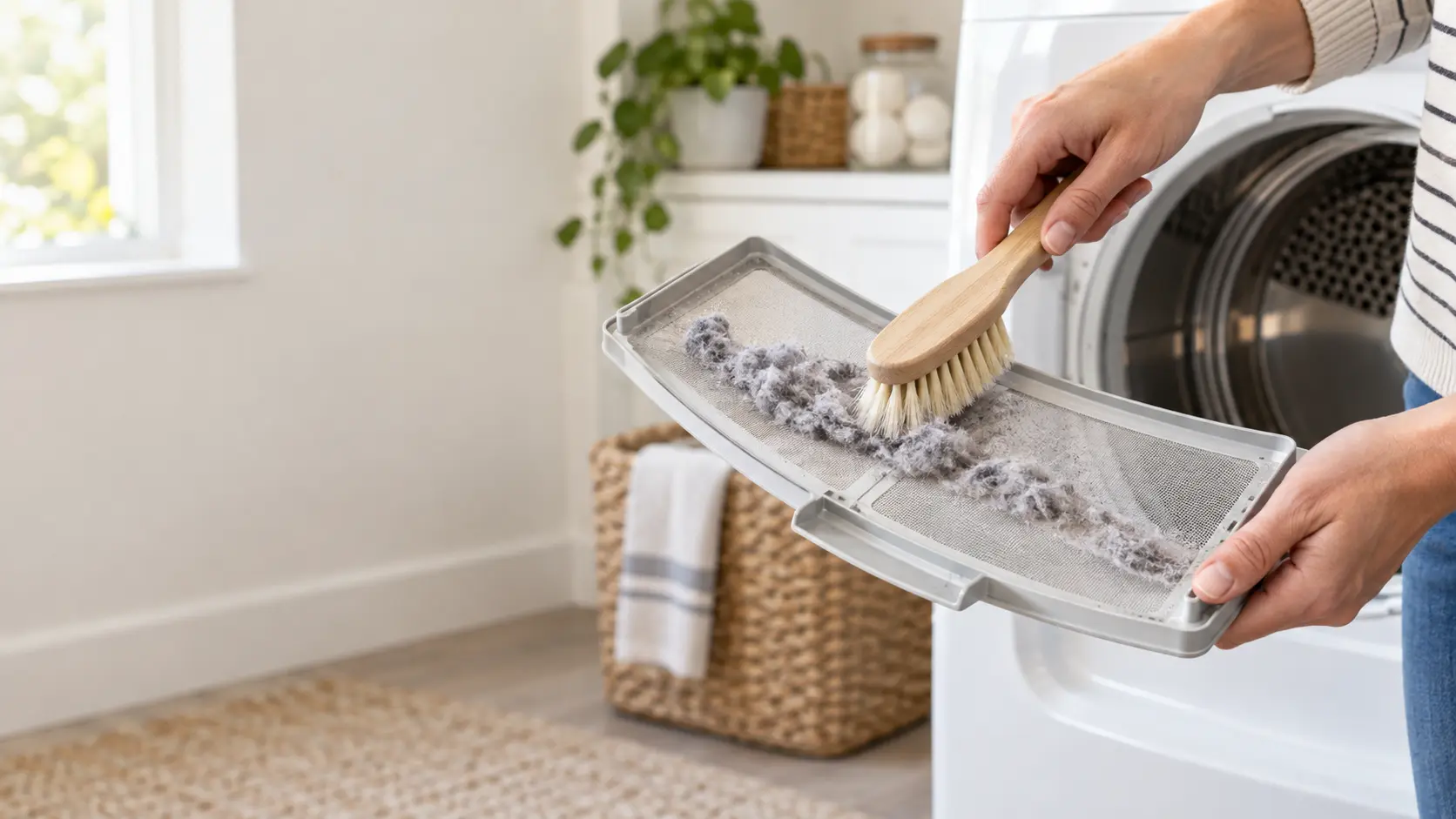
This section is for households whose appliances all work and who want them to keep working for years at a lower running cost. The guides deal with the small, repeatable jobs the makers write into their manuals: clearing lint, rinsing filters, brushing condenser coils, swapping cartridges, washing grease filters and running descale programs on schedule.
All 18 guides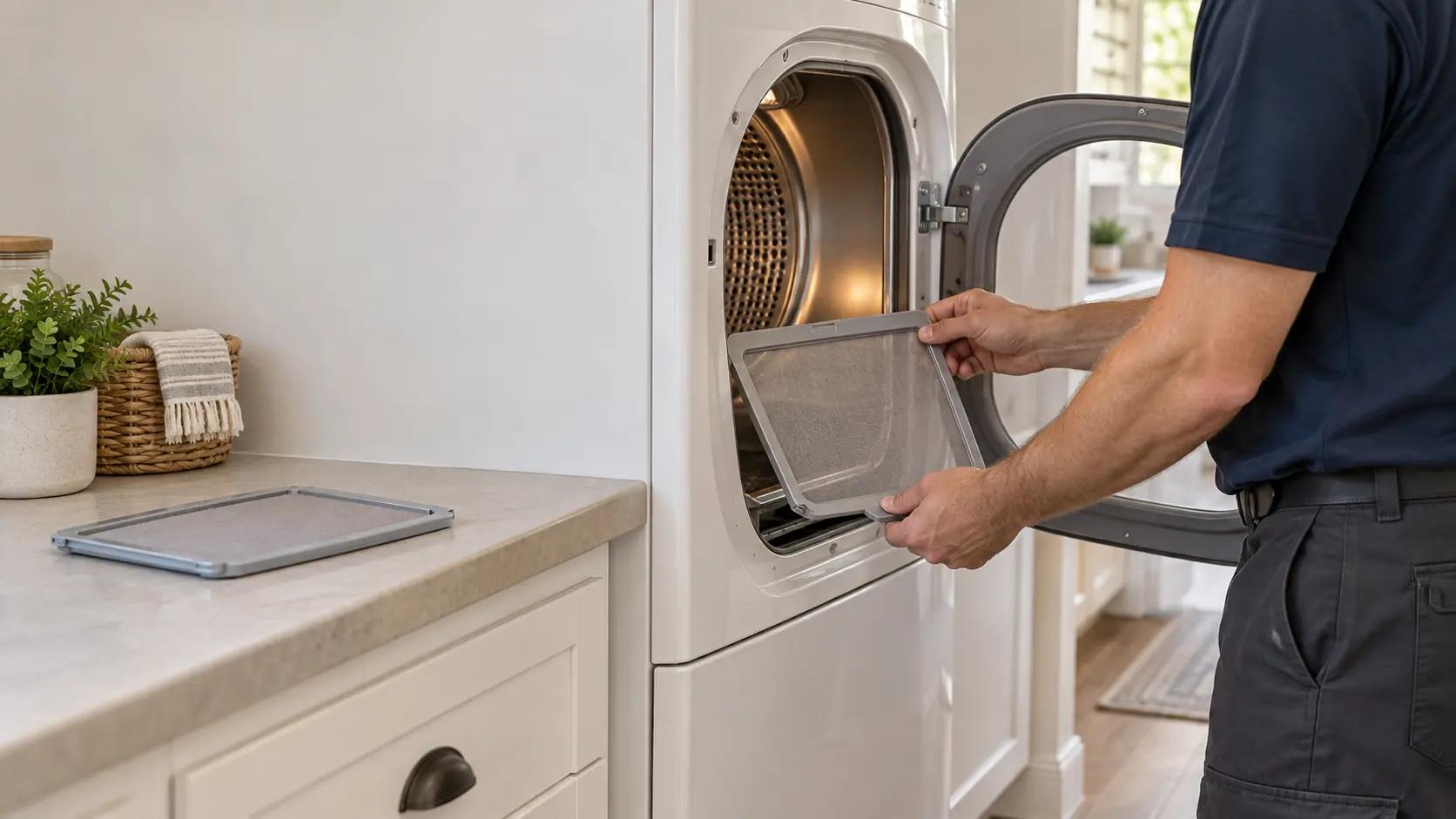
A yearly upkeep calendar for the whole home, job by job


Hard water scale and what it wears out, part by part
What is due when, across the whole house.
Nearly every one of those jobs is easy, and nearly every one is forgotten, because none of them announces itself. A coil gathers dust for a year before the kitchen notices a longer hum; a charcoal filter stops working long before it looks spent. So the guides start with timing: what is due every load, every month, every six months, every year and every five, and which signs bring a date forward.
The intervals come from the makers' own care pages and manuals, from Whirlpool, GE, Samsung, Speed Queen, Viking, Wolf, Broan-NuTone and others, and from public agencies where they apply, such as USGS on water hardness. Every figure on these pages carries a link to where it was found. Where two makers disagree, the guide says so and points to the manual for the appliance in the home.
Each guide also says where owner upkeep stops. Cleaning, rinsing and replacing a cartridge are owner work. Pulling a built-in from its opening, opening a panel over live wiring, touching a refrigerant line or a gas fitting, or freeing a part that scale has seized is work for a maintenance visit.
Not sure where to start?The short answerA yearly upkeep calendar for the whole home, job by job
A home appliance maintenance schedule sorts the work by interval: lint screens every load, dish care filters and front-load drain filters monthly, condenser coils, refrigerator water filters and charcoal hood filters about every six months, the laundry exhaust run at least yearly, and washer fill hoses every five years.
The short answerFilters and when each one is due, from the ice line to the hood
When to change appliance filters depends on the filter: a refrigerator water cartridge about every six months, dish care filters rinsed monthly, a front-load drain pump filter monthly or every 40 washes, the lint screen every load, hood grease filters washed at least twice a year and charcoal filters replaced every six months.
The short answerHard water scale and what it wears out, part by part
Hard water scale in appliances is calcium carbonate left behind when mineral-rich water is heated or evaporates.
When reading
is not enough.
If the checks in these guides did not settle it, the visit picks up from there, stop by stop.
What services cost- 01A walk around the house first
- 02Cleaned, checked and adjusted
- 03Wear parts before they fail
- 04A service record for the house
The problems
these answer.
Each has a page of its own, with the causes in the order worth checking.
All 17 problems
Appliance Energy Use Creeping Up With Nothing Else Changed
6 causes, cheapest first

Laundry Taking Two Cycles to Dry: The Lint Path Is Usually Why
6 causes, cheapest first
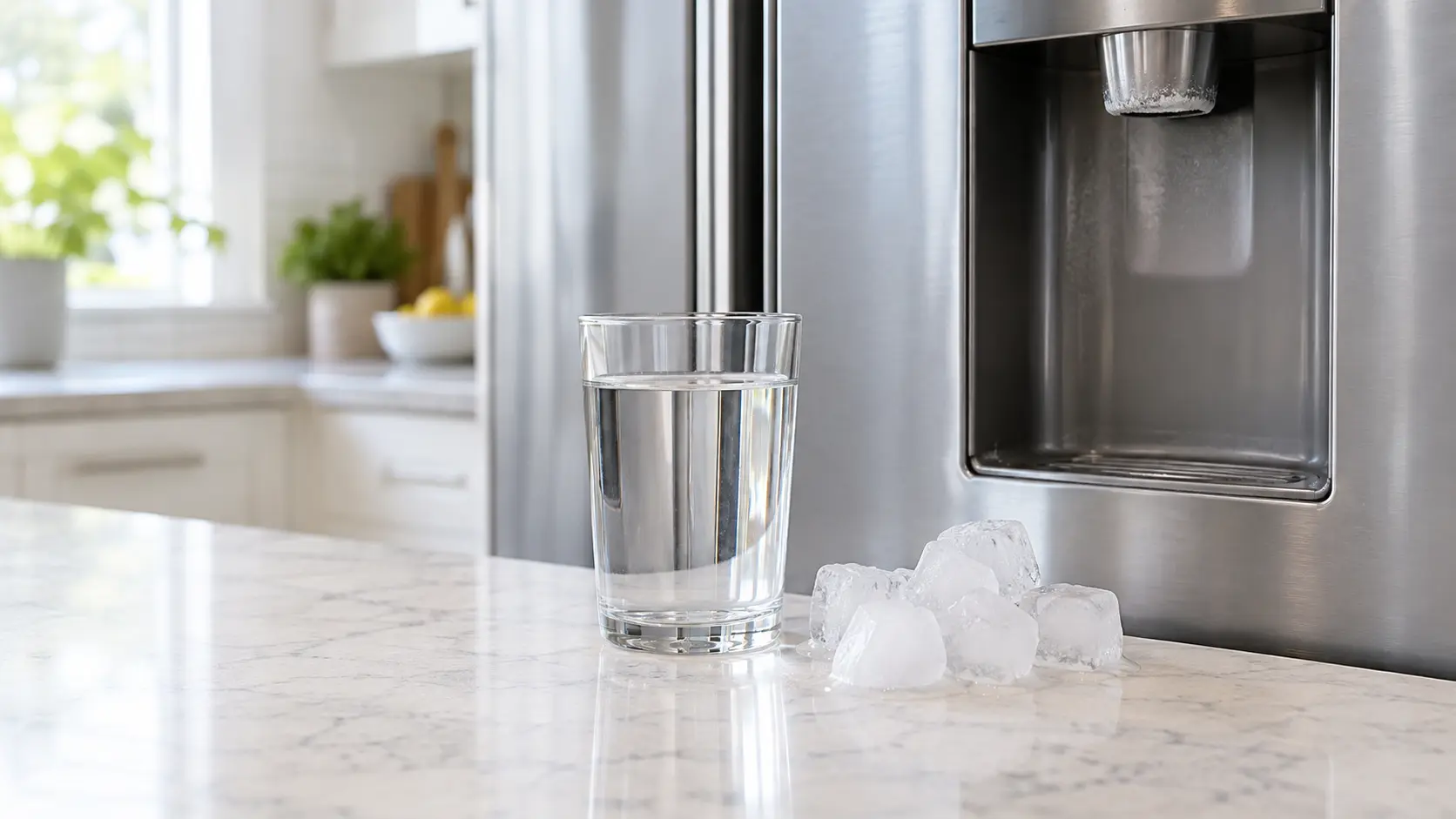
Water or Ice Tasting Stale: Filter Age, Scale and Idle Lines
6 causes, cheapest first
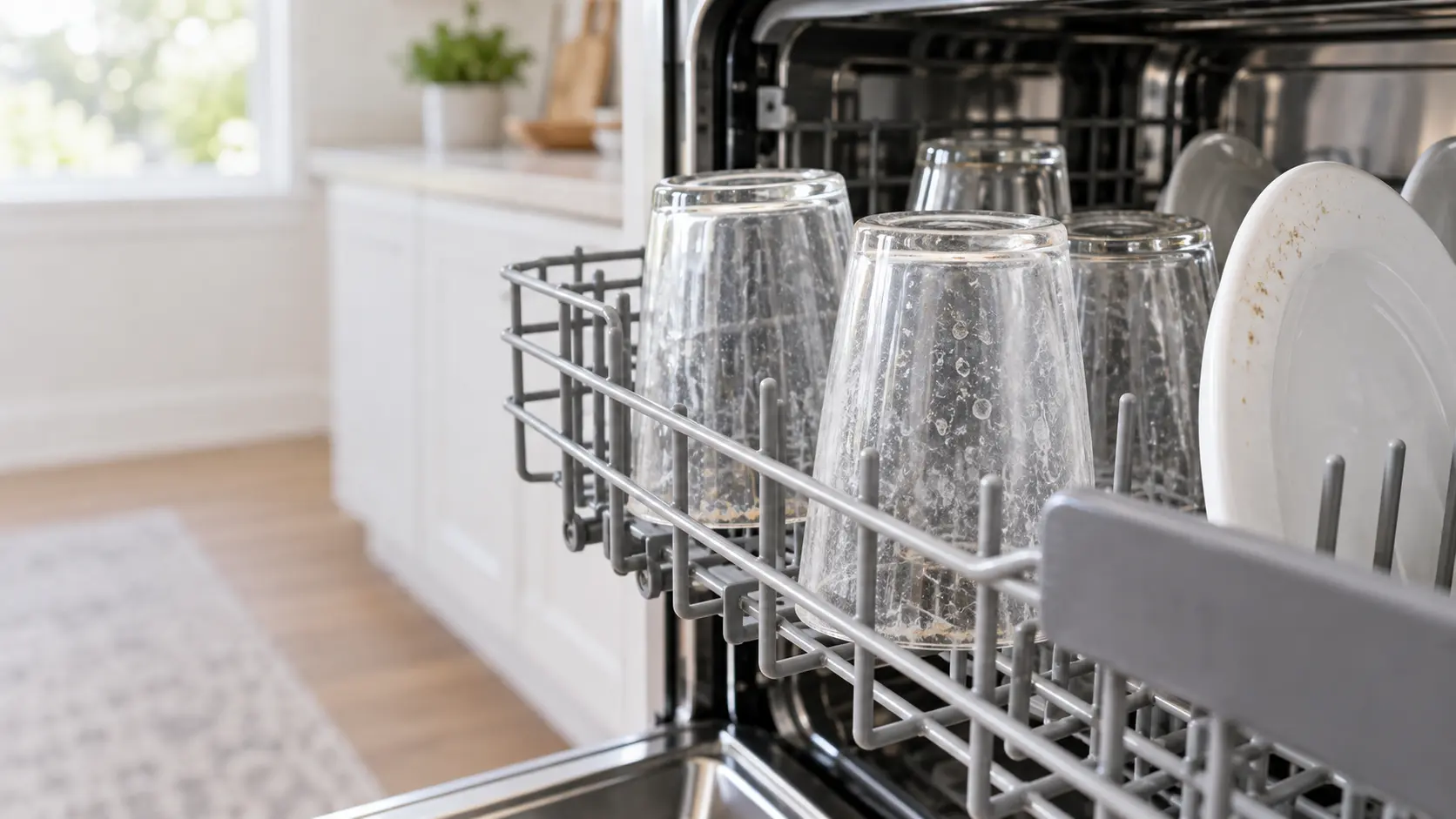
Dishes Coming Out Gritty or Spotted: Filter, Spray Arms and Rinse Aid
6 causes, cheapest first

Questions about
routines and schedules.
Which upkeep job prevents the most trouble?
Do maintenance intervals differ between makers?
What does a maintenance visit add to owner upkeep?
Is it worth maintaining an older appliance?
The other
sections.
Split by what you are trying to find out rather than by which part of the appliance it concerns.
All guides
Signs an appliance is due

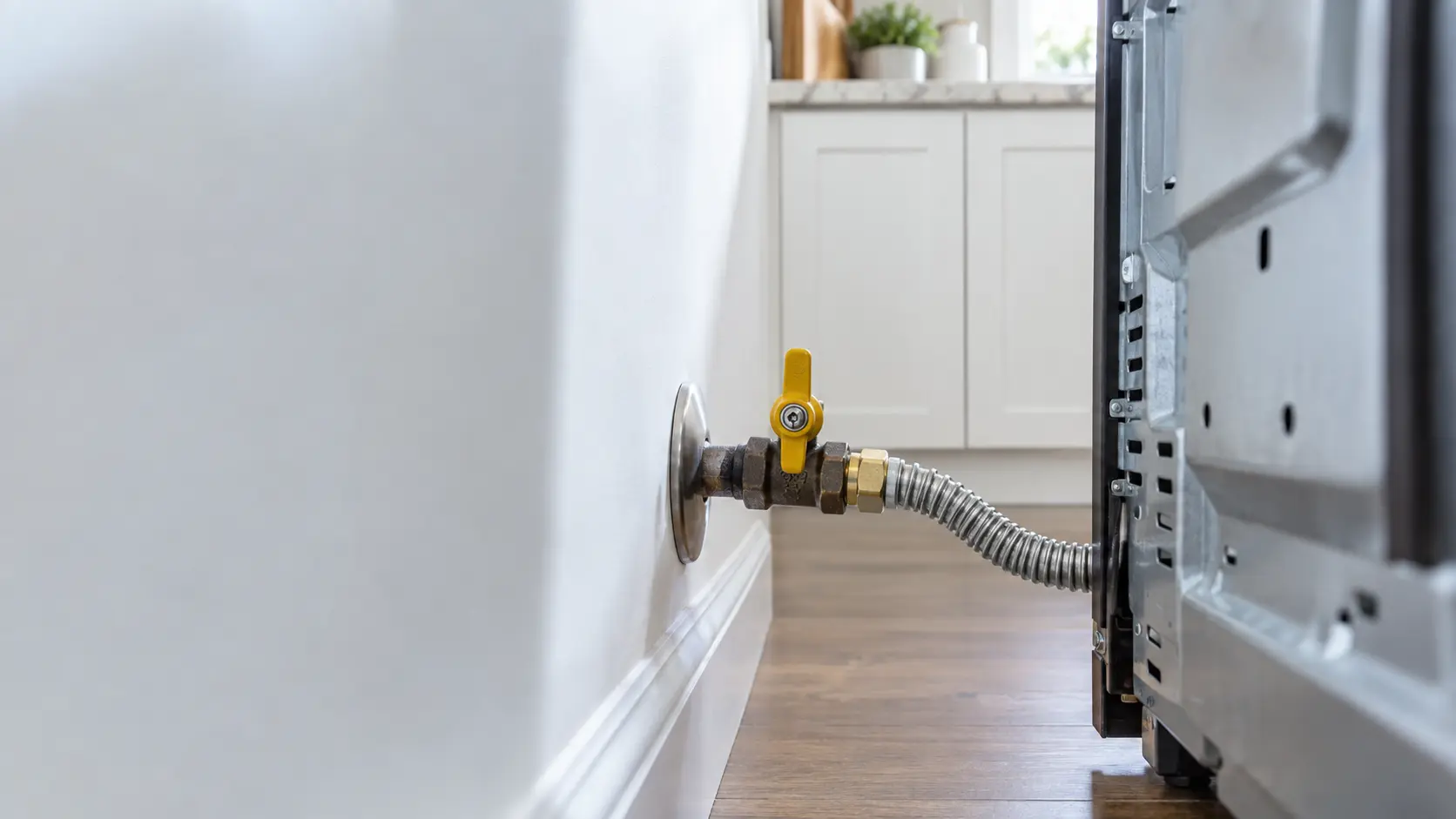
Fire, gas and water safety
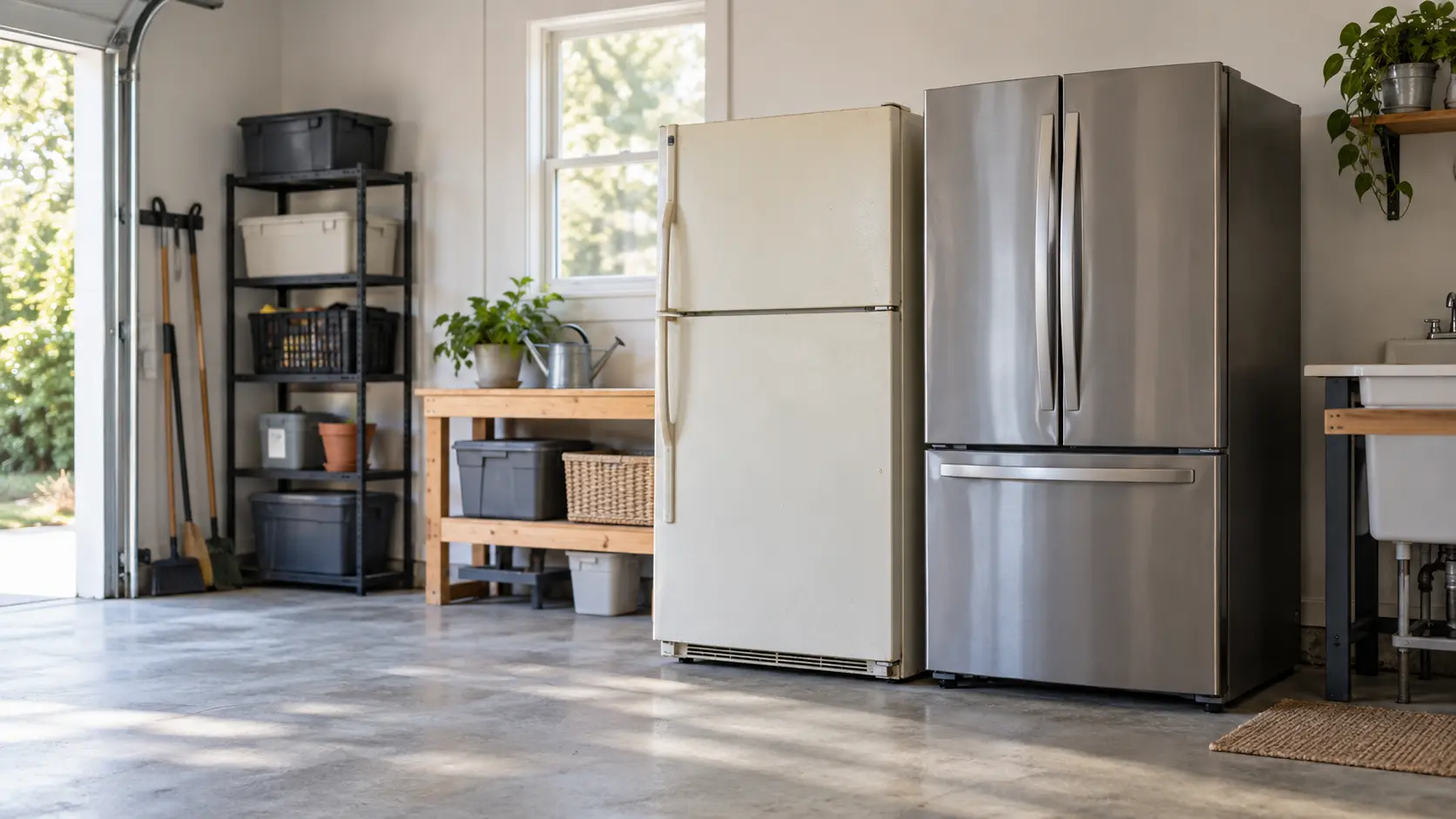

Set up for easy upkeep
Start from your question
The four questions most visits start with, each with the guide that answers it.
18 guidesWhere to start Where to startBack to your everyday
Let’s get your home appliance working again.
Three short steps online, or one call. Tell us what you are seeing and pick a window that works.