


Clearances, shutoffs and leveling that make service easy
Set up for easy upkeep
guides.
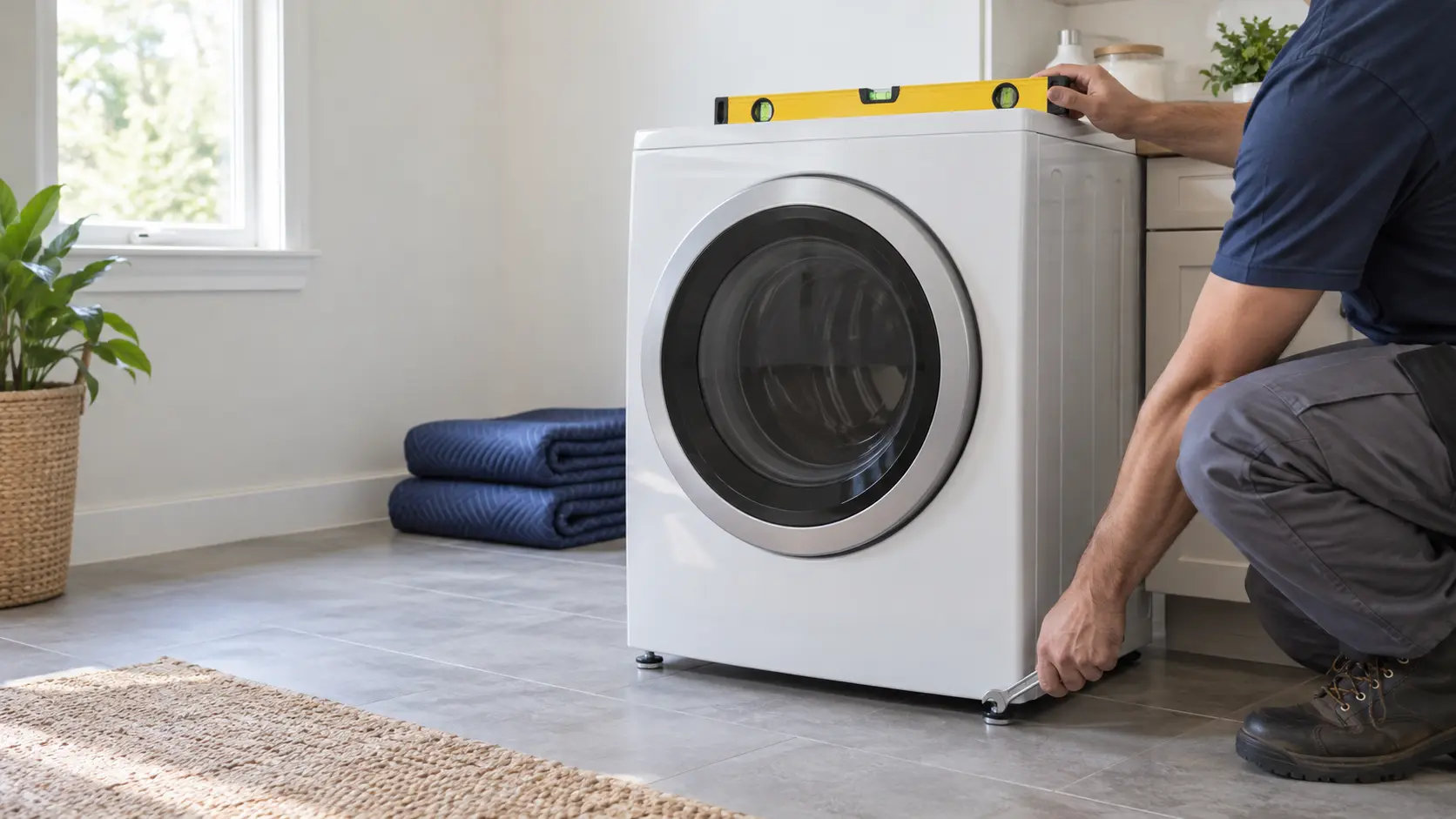
How an appliance is placed decides how easy it is to keep up: breathing room around coils, a reachable shutoff valve behind every water line, a short and straight exhaust run, and feet leveled after every move.
Mon–Sat, 8am–8pm
- Three guides
- Read before you book
- Says where to stop
Book a visit
Three short steps, about a minute.
or call (844) 879-5178
Loading appointment form…
The appointment form couldn’t load. Please try again.
Set up for easy upkeep,
guide by guide.
How an appliance was set up decides how easy it is to keep for the next ten or fifteen years. A laundry pair jammed against the wall with no slack in its hoses, a built-in whose grille disappears behind new trim, a refrigerator line with no valve of its own: none of these is a broken part, yet each makes routine upkeep hard or impossible.
All 18 guides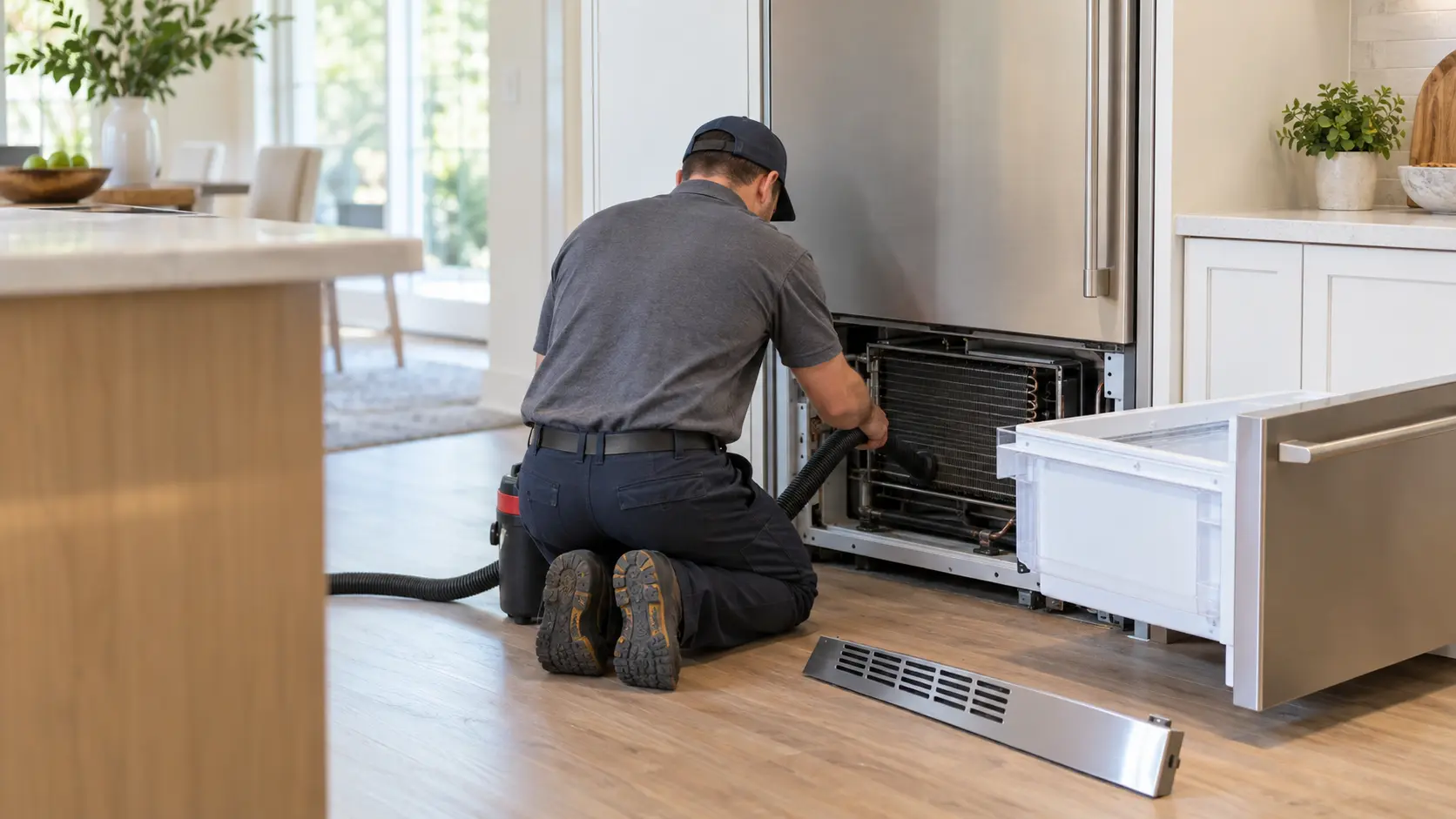

Clearances, shutoffs and leveling that make service easy.
The guides in this section look at setup through the eyes of the person who will service the appliance later. They cover the clearances each maker asks for and the working space the manuals leave out, the water, gas and electrical shutoffs every appliance should have within reach, and the leveling, bracket and airflow checks to redo after a move or a remodel.
The figures come from the installation instructions the makers publish, from GE, LG, Whirlpool, Sub-Zero, Speed Queen, Viking and Frigidaire among others, together with ENERGY STAR and CPSC guidance, and each guide links its sources. Fitting a brand-new appliance is installation work in its own right; these guides are about leaving room for everything that happens after it.
They are most useful before a remodel is finished, on the day after a delivery, and in the first week in a new home. Each ends by saying which steps an owner can take and which ones, such as lifting a built-in, reconnecting gas or adding a valve, need an installer or a technician.
Not sure where to start?The short answerClearances that leave room for service, and why tight fits cost later
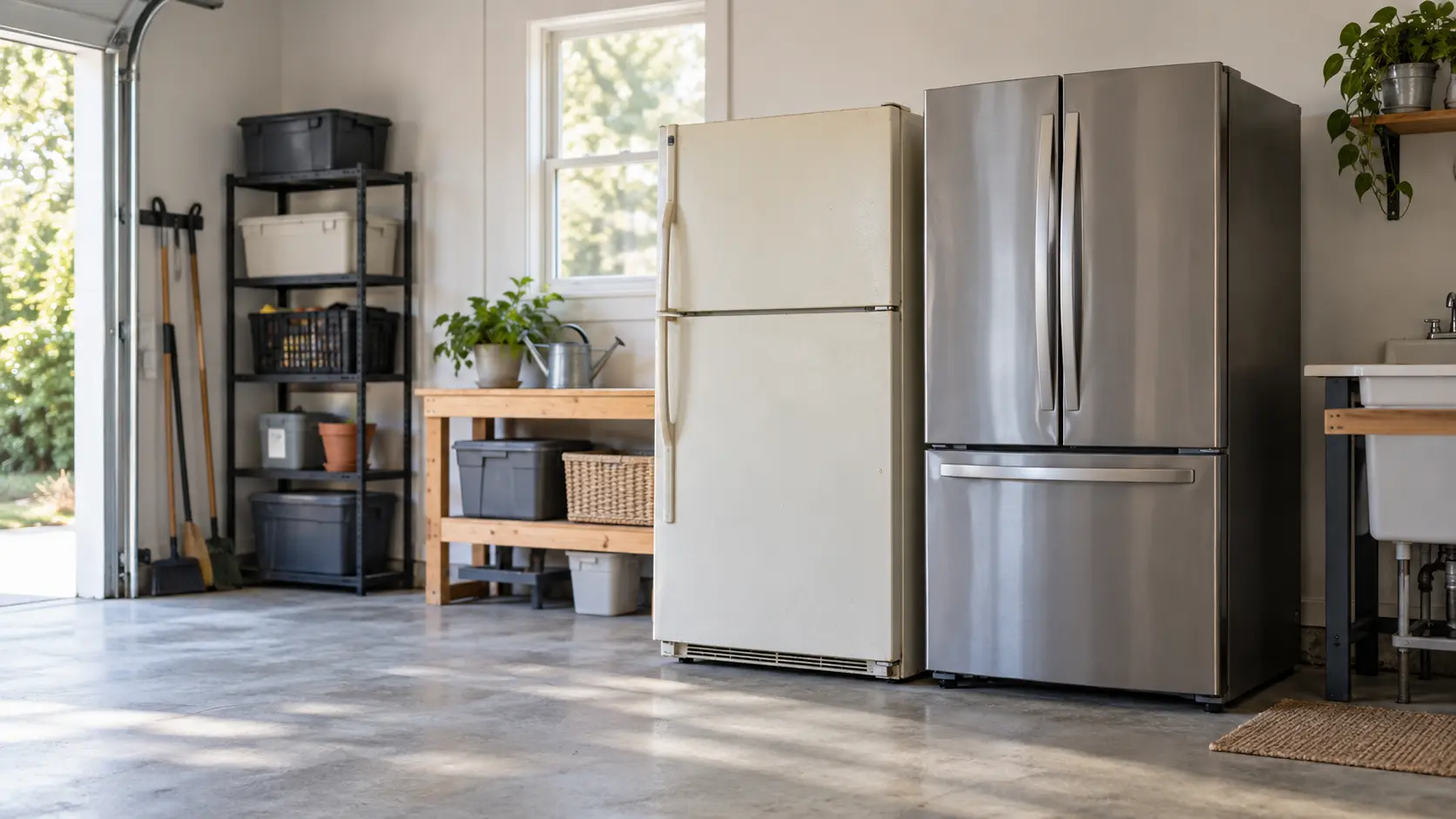
Appliance clearance requirements come from each installation manual: a few inches behind a freestanding refrigerator, about 3 inches around most freezers, at least 1 inch at the sides and 4 inches behind LG's front-load laundry machines, and louvered closet doors with 60 to 120 square inches of opening.
The short answerShutoff valves every appliance needs, and where each one hides
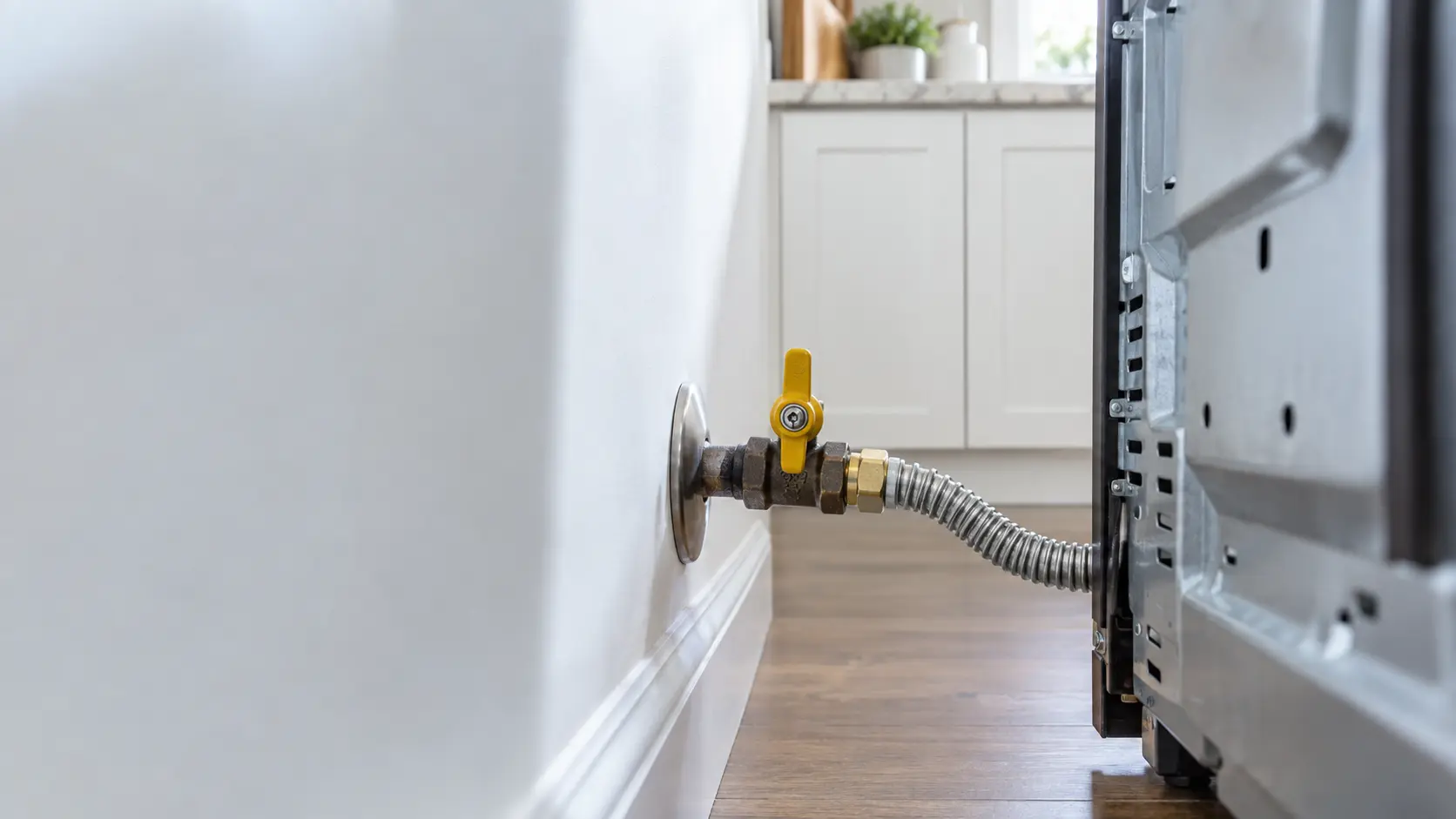
Appliance shutoff valves let water, gas and power be stopped at one machine without shutting down the house.
The short answerLeveling and airflow after a move: resetting each appliance
Leveling appliances after a move means resetting each machine's feet until it sits level and does not rock, re-engaging a cooking appliance's anti-tip bracket, removing any laundry shipping bolts, restoring the gaps the makers ask for behind and around each unit, and checking water lines for kinks.
When reading
is not enough.
If the checks in these guides did not settle it, the visit picks up from there, stop by stop.
What services cost- 01A walk around the house first
- 02Cleaned, checked and adjusted
- 03Wear parts before they fail
- 04A service record for the house
The problems
these answer.
Each has a page of its own, with the causes in the order worth checking.
All 17 problems
Cold Storage Running Nonstop: Coil Dust, Clearance and Door Seals
6 causes, cheapest first

Appliance Energy Use Creeping Up With Nothing Else Changed
6 causes, cheapest first
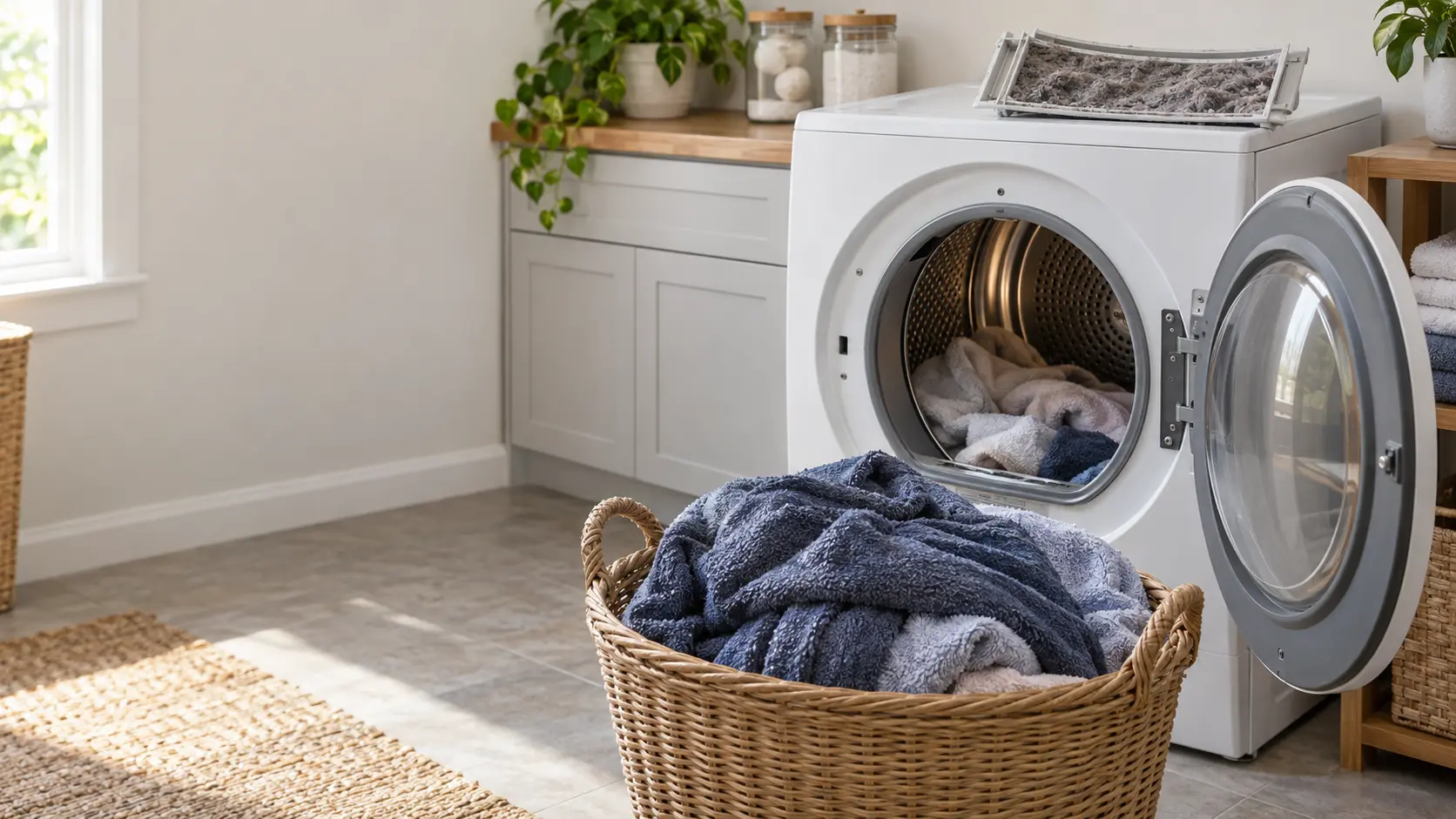
Laundry Taking Two Cycles to Dry: The Lint Path Is Usually Why
6 causes, cheapest first

Supply Hose Leaking or Bulging Behind an Appliance: Shut the Water Off
6 causes, cheapest first

Questions about
set up for easy upkeep.
What is the most common setup mistake that makes upkeep harder?
Should a delivered appliance be checked even if the crew installed it?
Which setup checks can an owner do alone?
Does a move call for the same checks as a new appliance?
The other
sections.
Split by what you are trying to find out rather than by which part of the appliance it concerns.
All guides
Signs an appliance is due

Fire, gas and water safety
Start from your question
The four questions most visits start with, each with the guide that answers it.
18 guidesWhere to start Where to startBack to your everyday
Let’s get your home appliance working again.
Three short steps online, or one call. Tell us what you are seeing and pick a window that works.