
Lint fires, gas at the burners, hoses and wiring
Fire, gas and water safety
guides.
The hazards that routine upkeep exists to prevent: lint packed into an exhaust run, a gas smell at a cooking appliance, carbon monoxide, a supply hose that bursts, and the burning smell or tripping breaker that means stop.
Mon–Sat, 8am–8pm
- Three guides
- Read before you book
- Says where to stop
Book a visit
Three short steps, about a minute.
or call (844) 879-5178
Loading appointment form…
The appointment form couldn’t load. Please try again.
Fire, gas and water safety,
guide by guide.
Three hazards live inside ordinary home appliances: heat and lint in the laundry exhaust path, gas and carbon monoxide at the burners, and water under constant pressure in every supply hose. This section covers the upkeep that keeps each one rare, and the first moves to make when one of them turns up anyway.
All 18 guides
Lint fires, gas at the burners, hoses and wiring.
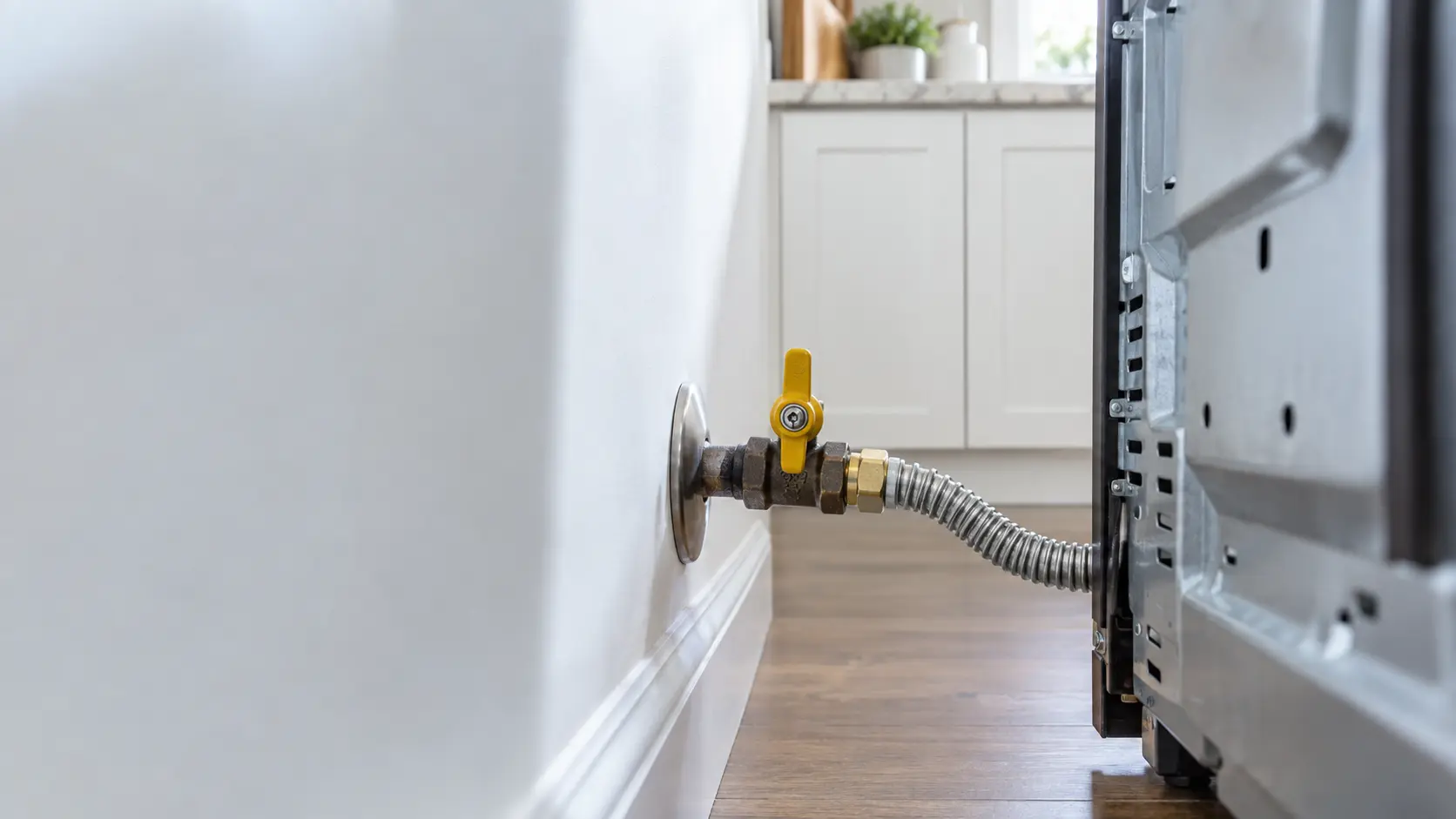
The order of moves comes before any talk of maintenance. A hot lint smell means stopping the cycle, unplugging the machine and leaving it off until the exhaust is cleared. A gas odor means turning off the burners, lighting nothing, touching no switches, opening windows, leaving, and calling the gas utility or 911 from outside. A leaking hose means closing its valve, staying clear of wet outlets and cutting the circuit from a dry panel.
The guidance draws on the US Fire Administration, NFPA, CPSC, CDC and EPA, and on the installation and care manuals the makers publish. Each guide links its sources beside the claims they support, so a reader can check a duct length, a flame color or a hose interval against the original page.
Every guide in this section also marks the owner's limit. An owner may close a valve in an emergency, clean a lint screen or clear burner ports; an owner does not open a gas fitting, reroute a duct through a wall, work inside a cabinet over live wiring or relight a system after a leak. Those belong to a technician or the gas utility.
Not sure where to start?The short answerLint, exhaust runs and fire risk behind the laundry closet
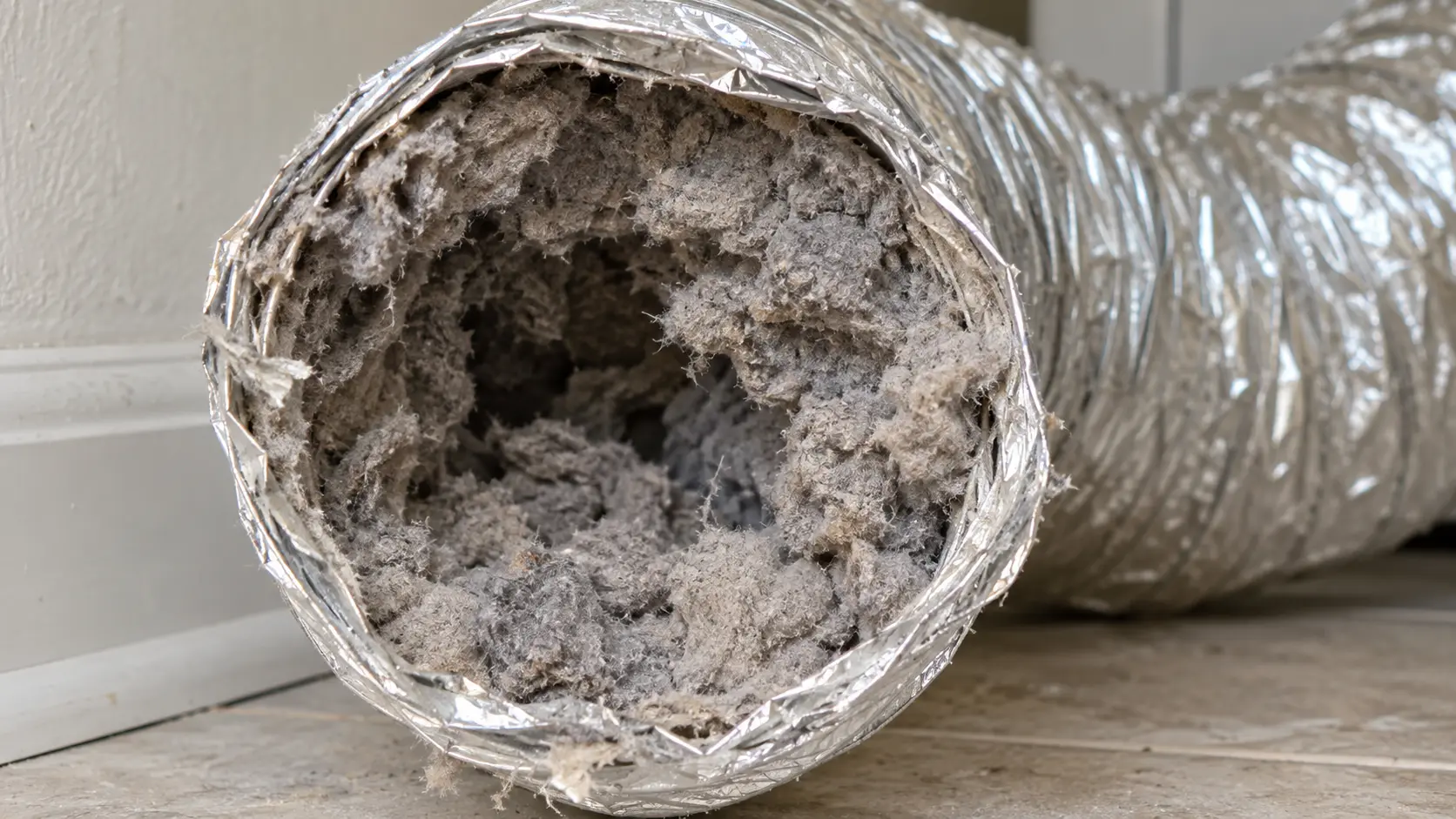
Dryer vent fire risk rises when lint narrows the exhaust run: airflow falls, heat builds and the fluff can ignite.
The short answerSupply hoses and slow leaks: the lines that feed four appliances
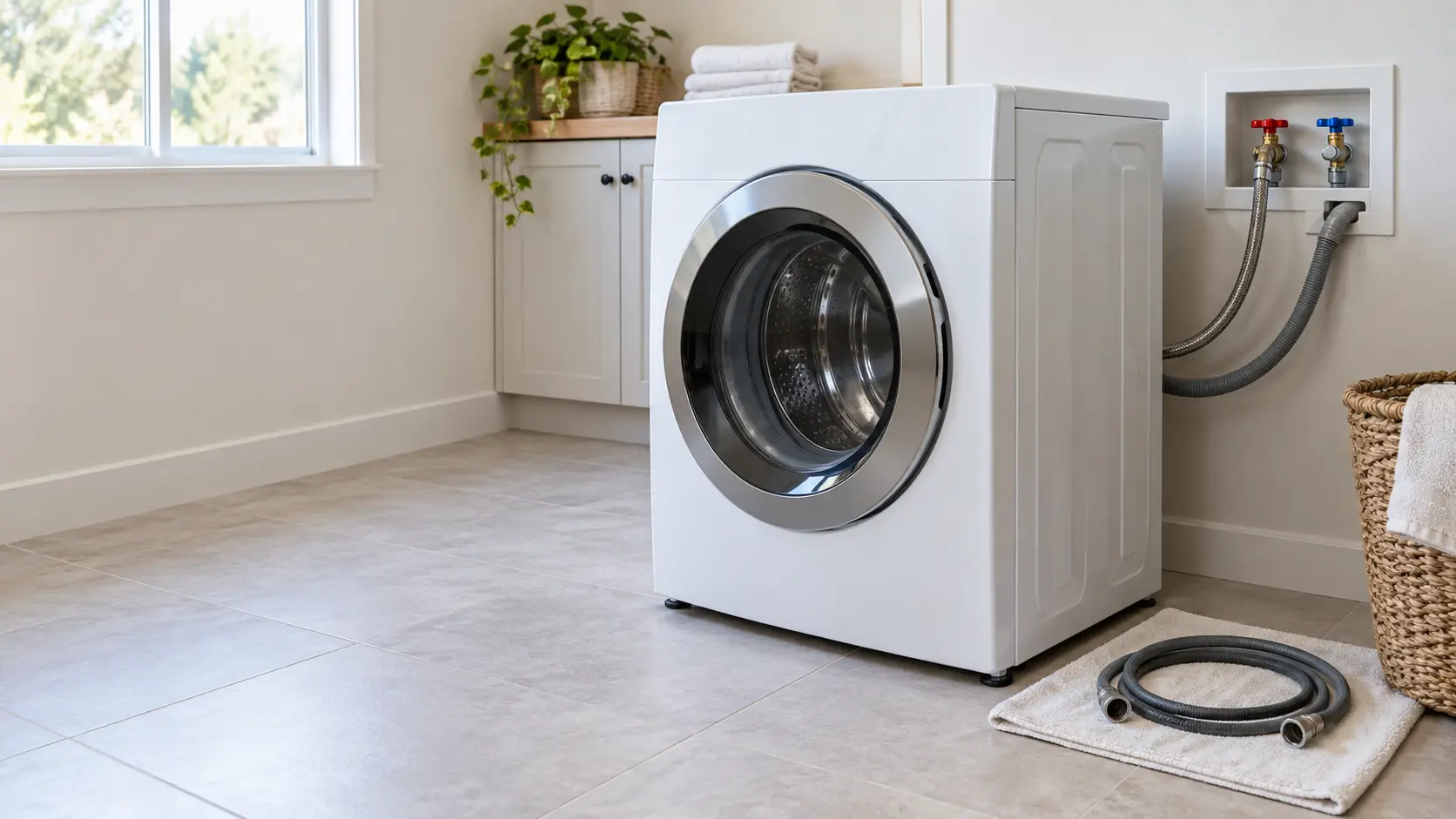
Appliance water supply hoses feed the laundry machine, the dish care machine and any refrigerator or ice maker with a water line, and all of them stay under house pressure around the clock.
The short answerGas burners and carbon monoxide: flame, air and the alarm
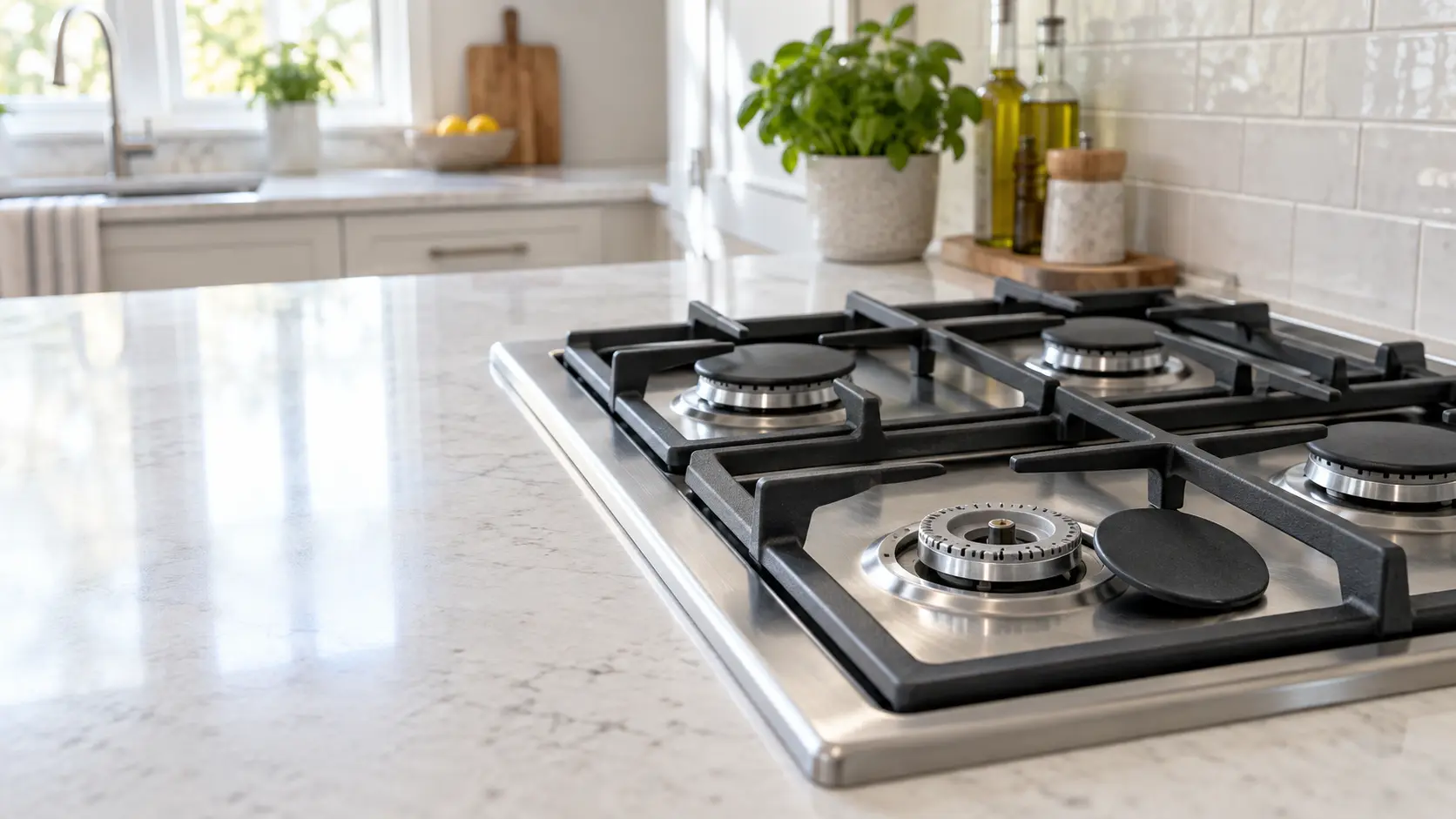
Gas appliances and carbon monoxide go together because burning gas makes some CO, and EPA measures more of it near poorly adjusted stoves than near well-adjusted ones.
When reading
is not enough.
If the checks in these guides did not settle it, the visit picks up from there, stop by stop.
What services cost- 01A walk around the house first
- 02Cleaned, checked and adjusted
- 03Wear parts before they fail
- 04A service record for the house
The problems
these answer.
Each has a page of its own, with the causes in the order worth checking.
All 17 problems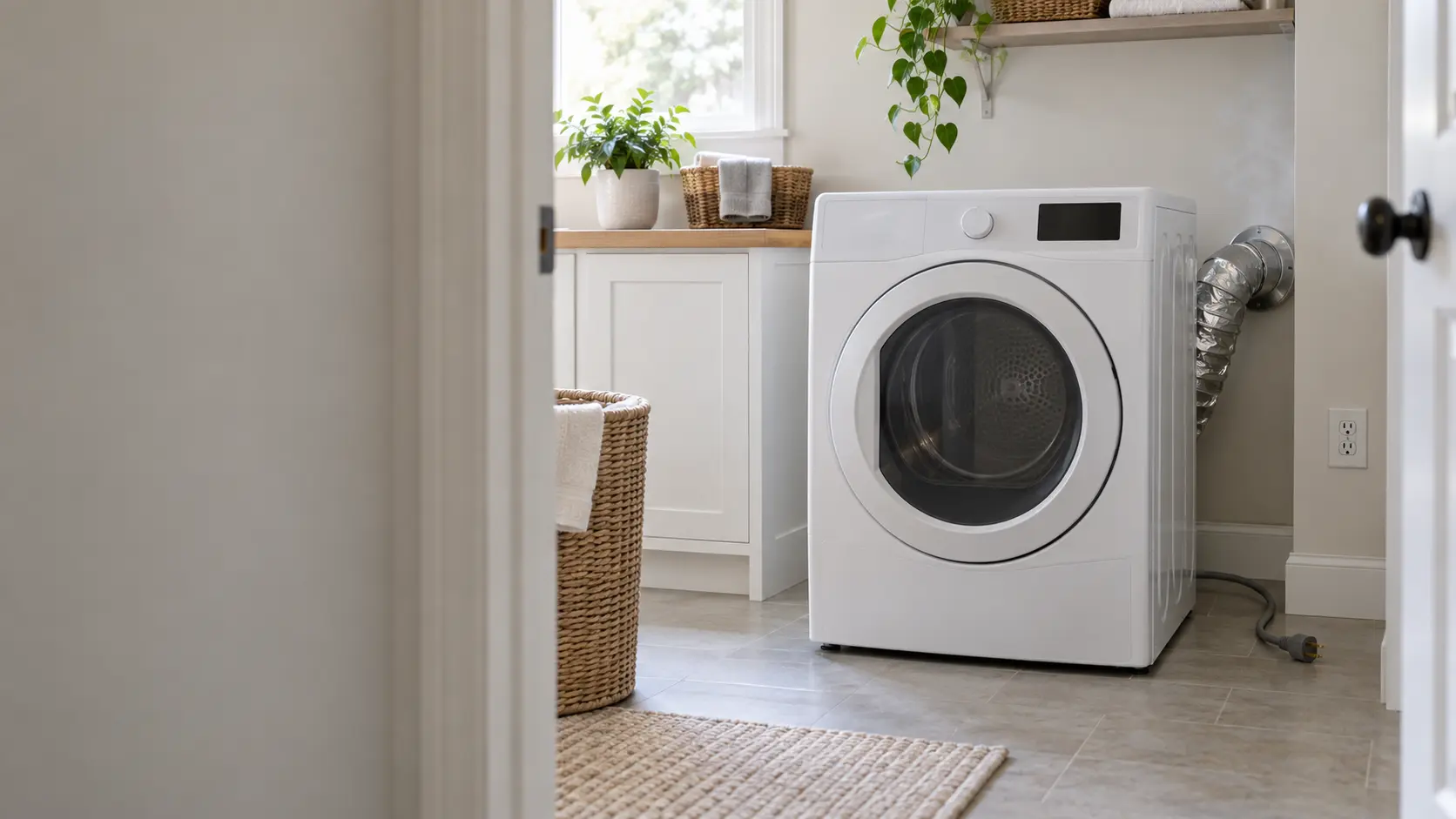
Hot or Burning Lint Smell in the Laundry Room: Stop the Cycle
6 causes, cheapest first
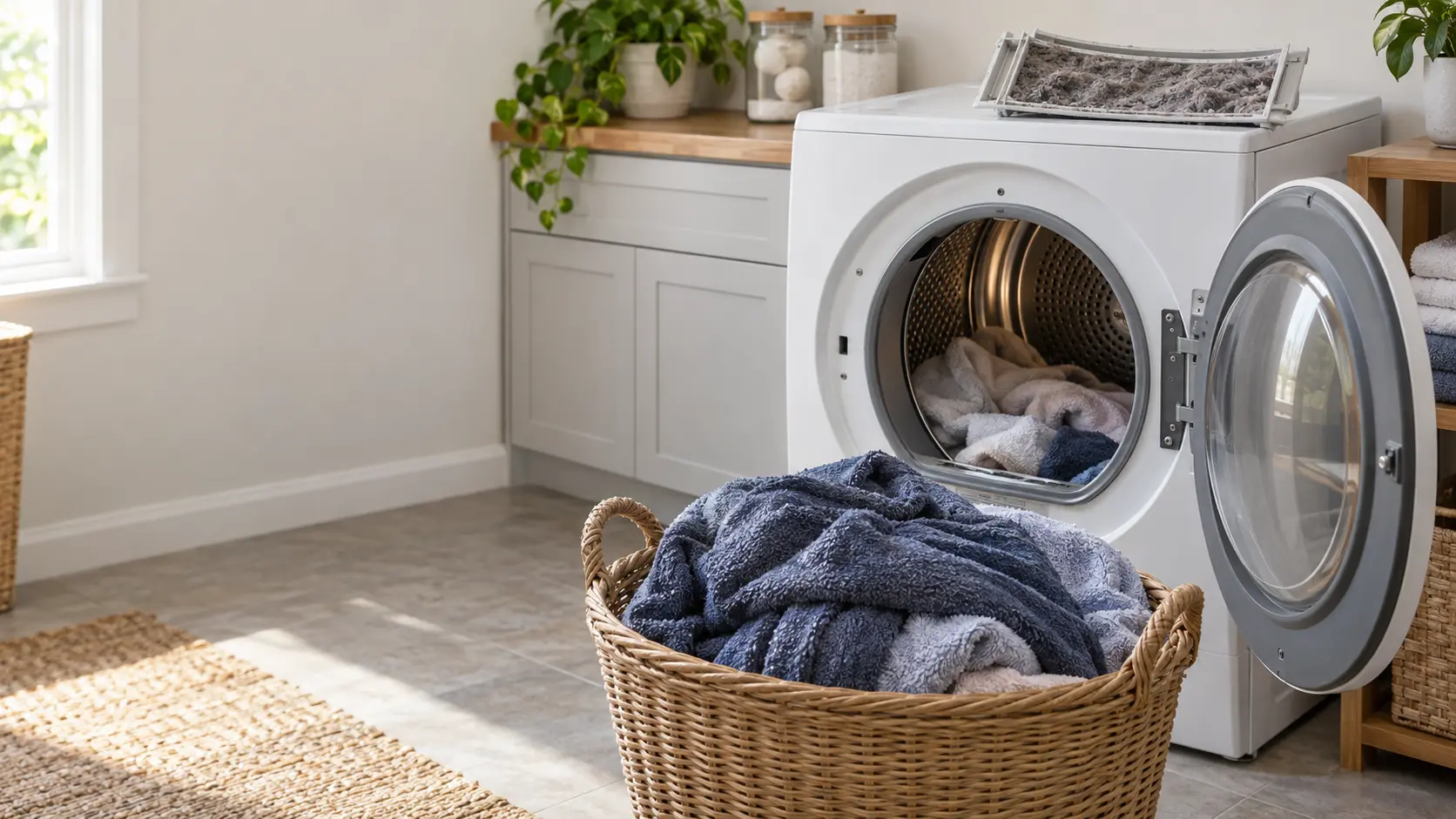
Laundry Taking Two Cycles to Dry: The Lint Path Is Usually Why
6 causes, cheapest first

Appliance Energy Use Creeping Up With Nothing Else Changed
6 causes, cheapest first

Supply Hose Leaking or Bulging Behind an Appliance: Shut the Water Off
6 causes, cheapest first

Questions about
fire, gas and water safety.
What should every household know before anything goes wrong?
Are carbon monoxide alarms part of appliance upkeep?
Is a lint smell an emergency or a maintenance reminder?
When is water damage from an appliance more than a mop job?
The other
sections.
Split by what you are trying to find out rather than by which part of the appliance it concerns.
All guides
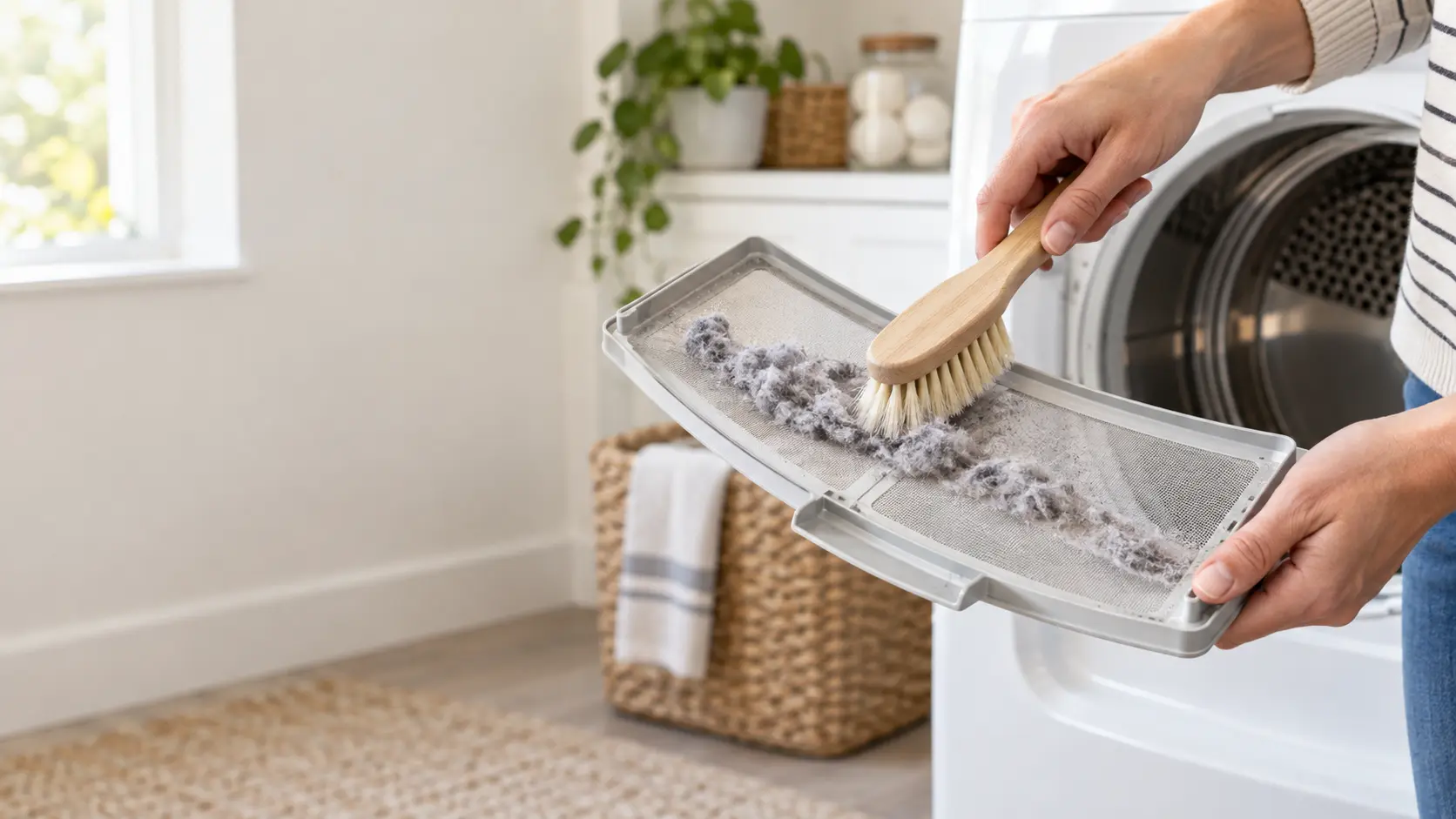
Signs an appliance is due

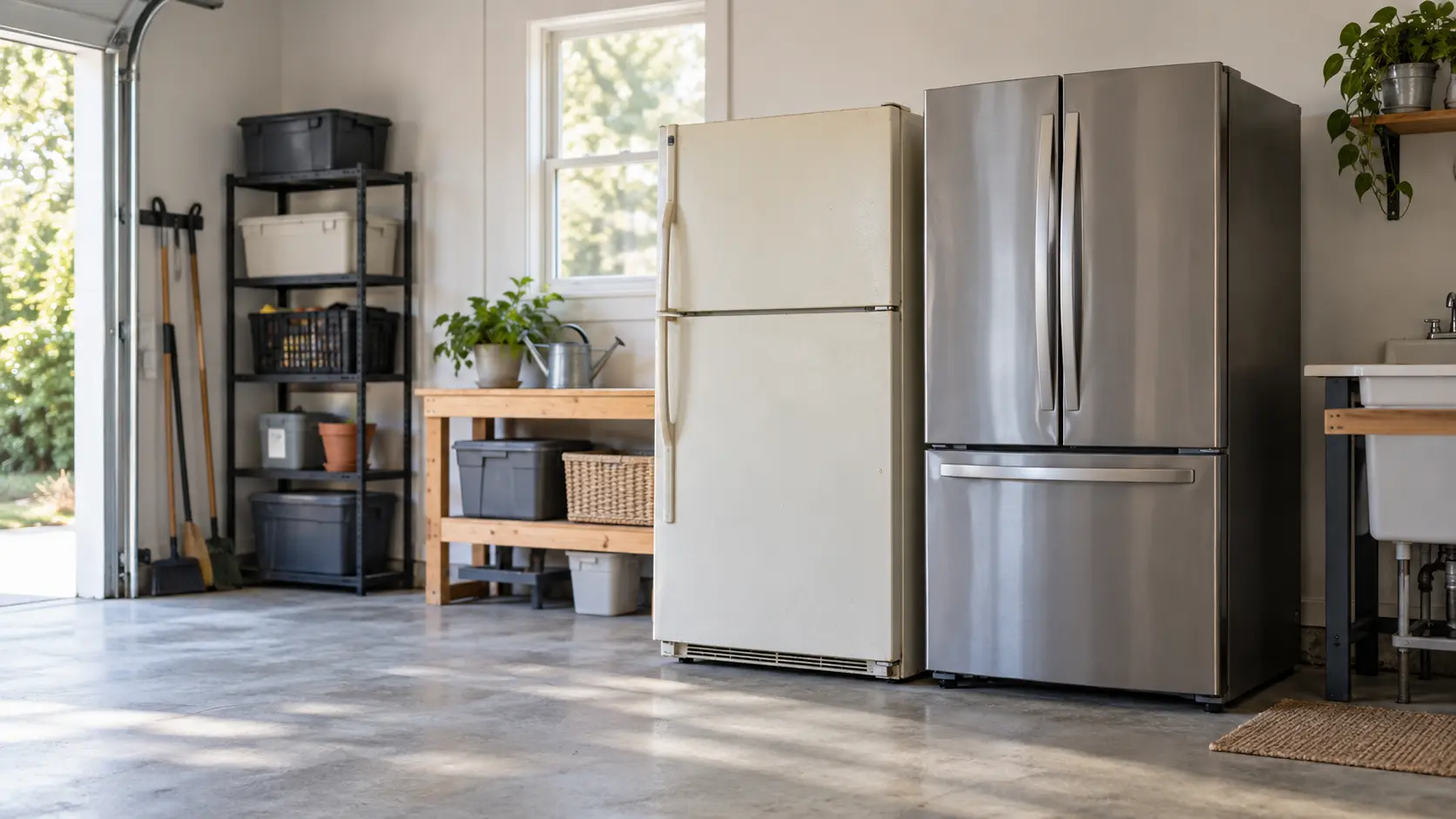

Set up for easy upkeep
Start from your question
The four questions most visits start with, each with the guide that answers it.
18 guidesWhere to start Where to startBack to your everyday
Let’s get your home appliance working again.
Three short steps online, or one call. Tell us what you are seeing and pick a window that works.